A very strong El Niño is developing in the tropical Pacific and is expected to remain influential into early 2027. It has already produced the sort of headlines that make a distant climate event sound uncomfortably relevant to whatever holiday you happen to be considering next year. For UK travellers, there is some substance behind that although there are also fairly hard limits to what El Niño can tell us about a European holiday.
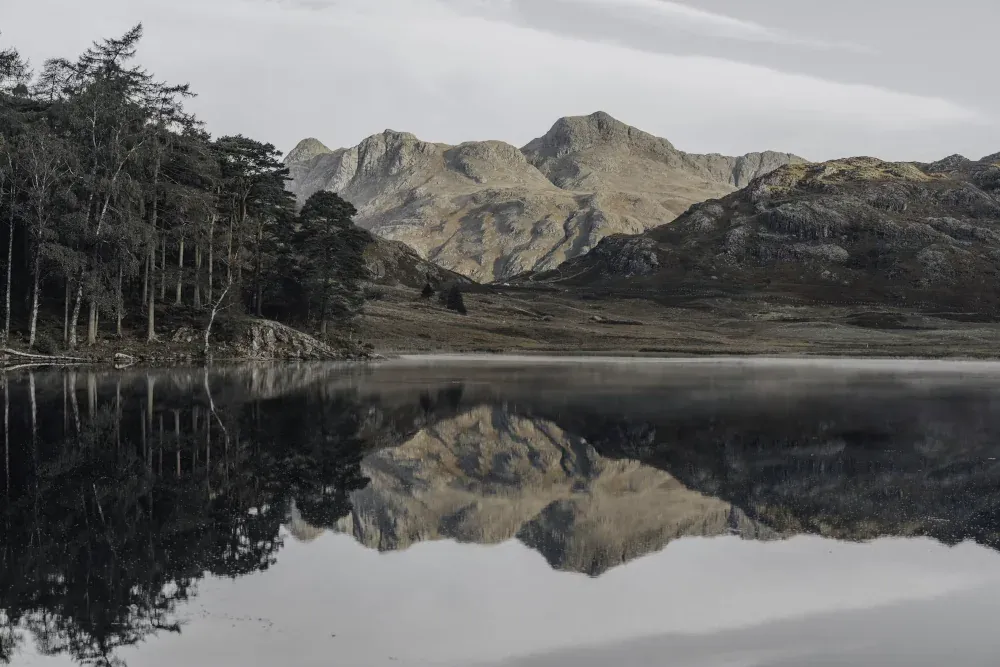 Blea Tarn - Ambleside
Europe is where the tidy explanation starts to unravel
The World Meteorological Organization currently puts the chance of El Niño persisting through December 2026 and into February 2027 at nearly 100%, although the event is expected to reach its strongest intensity peaking towards the end of this year. That degree of confidence is unusual. Confidence about exactly what it means for Europe is another matter.
El Niño begins with unusually warm water across the central and eastern tropical Pacific. That warming alters large-scale atmospheric circulation and can influence rainfall, temperature and storm tracks far beyond the Pacific. Whilst some of those long-distance connections are well established, Europe is less obliging. Conditions over the Atlantic, Arctic and elsewhere in the atmosphere all have a substantial influence on European weather, and they do not politely stand aside because an El Niño is underway. When previous El Niño winters are averaged together, recognisable patterns appear across the North Atlantic and Europe. Look at those winters individually and the results are far less consistent. That is the distinction worth keeping in mind when reading almost anything about El Niño and any potential implications for European holidays. It can shift the odds, but it cannot tell us what sort of weather will arrive during the week we have booked.
What it could mean for the UK and north-west Europe.
There is a clearer signal closer to home. The Met Office says an El Niño can increase the likelihood of milder, wetter and windier conditions across the UK during autumn and early winter, and its current assessment of this event also points towards a greater chance of wetter and stormier weather across north-west Europe as El Niño strengthens. A seasonal forecast still cannot tell us whether a particular walking weekend will be wet or whether a December ferry will be cancelled. It deals with the overall character of weeks and months rather than individual days.
For outdoor adventures, though, the weather before you arrive can matter almost as much as the weather while you are there. Several unsettled weeks can leave paths saturated, rivers high, and upland areas in a very different state even if the weather when you're there itself turns out reasonably dry. The same broader pattern can create more opportunities for Atlantic storms to interfere with travel. Ferries across the Irish Sea, the Hebrides, and the Channel, as well as exposed rail routes and flights all become more vulnerable when strong low-pressure systems are moving through regularly. There is a practical consequence without needing to dramatise it: if the success of a trip around Britain, Ireland or nearby north-west Europe depends heavily on the weather behaving itself, flexibility could be vital this winter.
 Relative Sea Surface Temperature - July 2026 : NCEP
January and February are less predictable
The picture changes as winter develops. Historically, the North Atlantic response to El Niño can look different later in the season, and the Met Office notes that colder and calmer conditions sometimes become more likely across Britain during January and February. That has an obvious attraction as a headline but is considerably less useful as a holiday forecast.
Individual El Niño winters vary substantially, and other atmospheric patterns can dominate what actually happens. The fact that colder conditions have appeared more often in the historical record does not mean February 2027 is waiting to reproduce the average. For anyone considering a winter walking trip, Scottish break, or anything else where snow, ice or storms would materially affect the plan, the forecasts issued as winter develops will matter far more than the existence of El Niño itself.
There is currently little justification for using El Niño to choose one Alpine country over another, or to decide that one part of southern Europe will be wetter, warmer or more reliable next spring. The evidence simply is not precise enough and while El Niño is an important factor that may amplify conditions there are other, equally influential, factors including the seasonal Foehn wind.
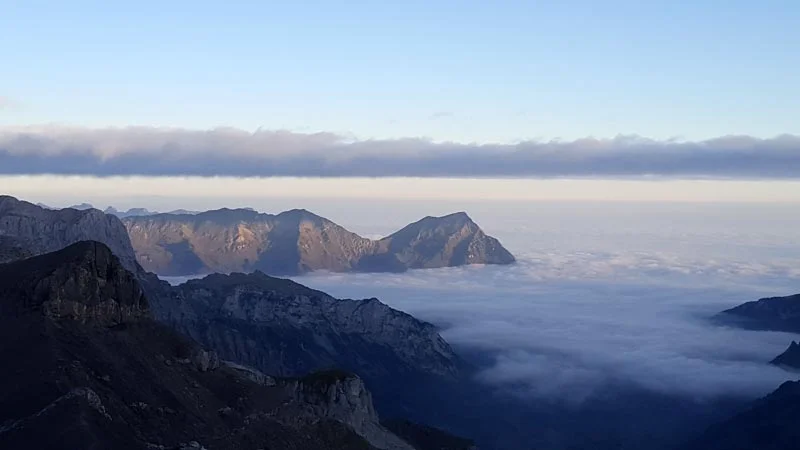 The warm dry Foehn wind can give a fortnight or more of settled weather
Looking further ahead
There is one reason El Niño may remain in the headlines well beyond winter. The Met Office currently expects 2027 to have a very strong chance of becoming the warmest year yet recorded globally. A large El Niño can temporarily push global average temperatures even higher on top of the longer-term warming trend. That matters, but it is easily misread. A record global year is not the same thing as a record summer everywhere in Europe. Spain, Greece, France, Italy and Britain can experience very different conditions within the same season, and a global annual average tells us very little about the weather during a particular fortnight. Europe is already warming rapidly, so extreme heat is increasingly relevant to summer travel whether El Niño is present or not. Someone who finds 40°C temperatures intolerable already has good reason to think carefully about travelling to parts of southern Europe at the height of summer.
For now, El Niño matters most to UK and north-west European travellers looking at the coming winter. Beyond that, it is better treated as one influence among many rather than a preview of next year's holiday weather. There will be plenty of opportunity for the forecast to become more specific later. Whether it becomes more agreeable is to be seen.