
A weekend that started with a rucksack in the boot becomes two bikes on the towbar, a box on the roof, a paddleboard strapped somewhere improbable and four people who all brought their own gear. The car copes, mostly. What owners rarely consider is how differently it copes, and which components are quietly absorbing the difference.
Payload Is a Real Number and It Is Smaller Than You Think
Every vehicle has a maximum permitted weight, and the difference between that and the kerb weight is the payload: everything you are allowed to add, including passengers. For a typical family estate this figure is considerably less generous than owners assume once four adults, a full boot and a loaded roof box are accounted for. Exceeding it affects braking, handling and stopping distance, and it is an offence rather than a technicality. The figure is on the vehicle identification plate, usually under the bonnet or in a door aperture, and almost nobody has ever looked at it.
The Roof Limit Is Separate and Lower Still
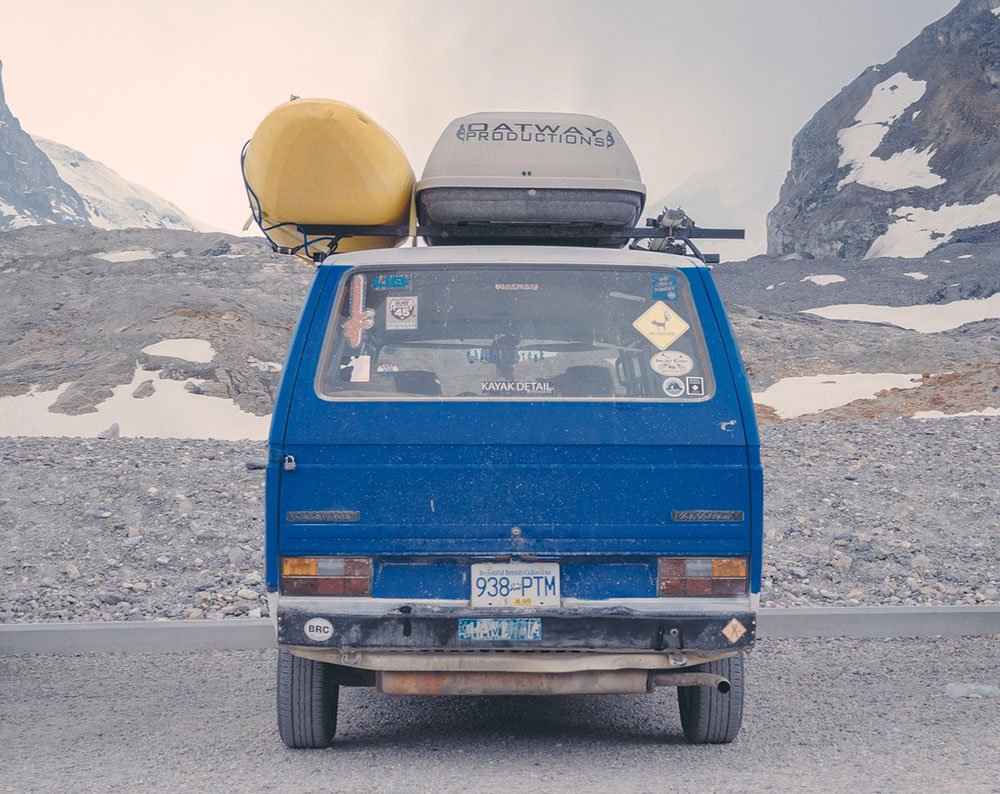
More restrictive again is the roof load limit, which is typically far smaller than people expect and includes the weight of the rack or box itself, not just its contents. A heavy box plus camping equipment can approach or exceed it on a family hatchback. Weight up high also raises the centre of gravity, which changes how the car behaves in crosswinds and during sudden avoidance manoeuvres, and that effect is most pronounced on exactly the exposed roads that lead to good places. Anyone who has crossed a high moorland road with a loaded roof in a side wind has felt it directly.
Tyres Carry Every Bit of It
All that additional weight arrives at four contact patches, and tyres have their own load rating that owners rarely check. The number on the sidewall corresponds to the maximum load per tyre, and a fully laden car sits closer to that limit than an empty one. Pressures matter more under load too, because most manufacturers publish a higher laden figure alongside the standard one, and a car loaded for a week away and running at everyday pressures will handle worse and wear its shoulders faster. Typing tyre fitting near me into a phone at the side of a road three hundred miles from home is a poor substitute for a proper look at tread and sidewalls the week before a trip.
Towing Is Its Own Discipline
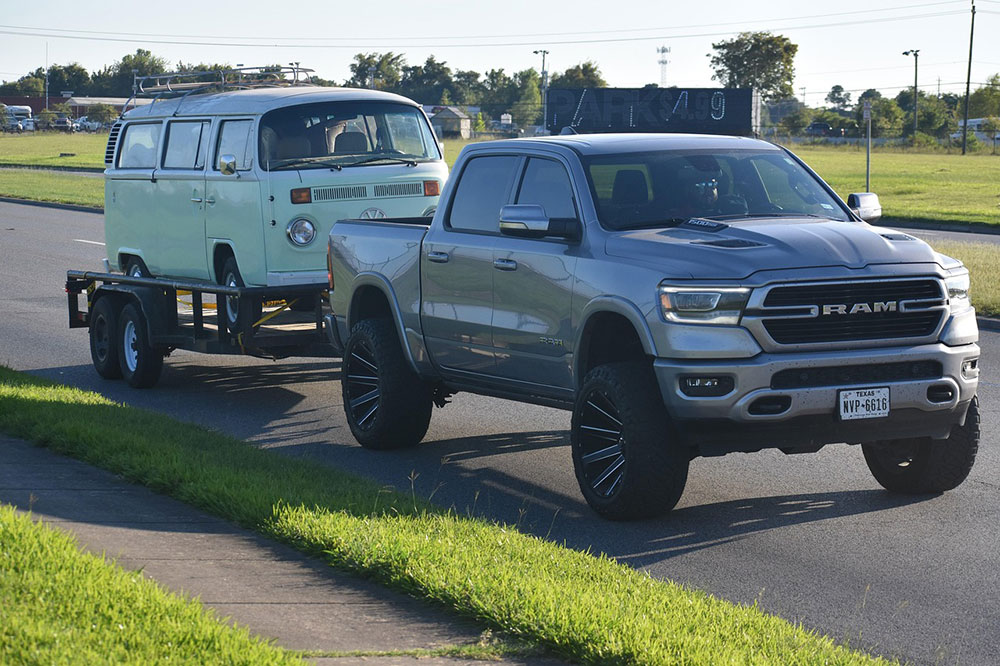
Anyone adding a trailer or a caravan enters a separate regulatory and practical territory. Licence entitlement depends on when you passed your test, the combined weight limits are specific, and the noseweight on the towball has its own maximum. Beyond the paperwork, towing changes braking distance substantially, requires markedly more space for every manoeuvre, and introduces the possibility of snaking at speed. It is worth practising in an empty car park before attempting a motorway, however experienced a driver you consider yourself.
Drag Costs More Than the Weight
The counterintuitive finding is that aerodynamics generally hurt more than mass on a long motorway run. A roof box or a set of bikes on the roof disrupts airflow considerably, and the Energy Saving Trust is among the bodies pointing out that removing roof racks and boxes when they are not in use improves fuel efficiency, since the penalty applies on every journey the rack is fitted rather than only when it is loaded. For anyone running an electric vehicle the effect on range is more noticeable still, because there is less surplus energy to absorb it. Taking the rack off between trips takes ten minutes and is one of the few efficiency measures with an immediately visible result.
Where You Put the Weight Matters
Loading technique is worth a moment. Heavy items belong low and as close to the centre of the car as possible, ideally forward of the rear axle rather than piled at the tailgate. Everything should be secured, because unrestrained luggage in a collision becomes a projectile with the energy of its weight multiplied by the speed. Loading above the seat backs blocks rearward vision and, in a heavy stop, gives the load a clear path forward. A cargo net or a boot divider is inexpensive and addresses both problems. Wet and muddy kit deserves its own thought as well, since a soaked tent packed against the rear seats is both heavy and unpleasant by the time you get home. A stackable box or two keeps the load stable, stops things migrating during cornering, and makes unpacking at the other end considerably less miserable.
Check It Again Before You Come Home
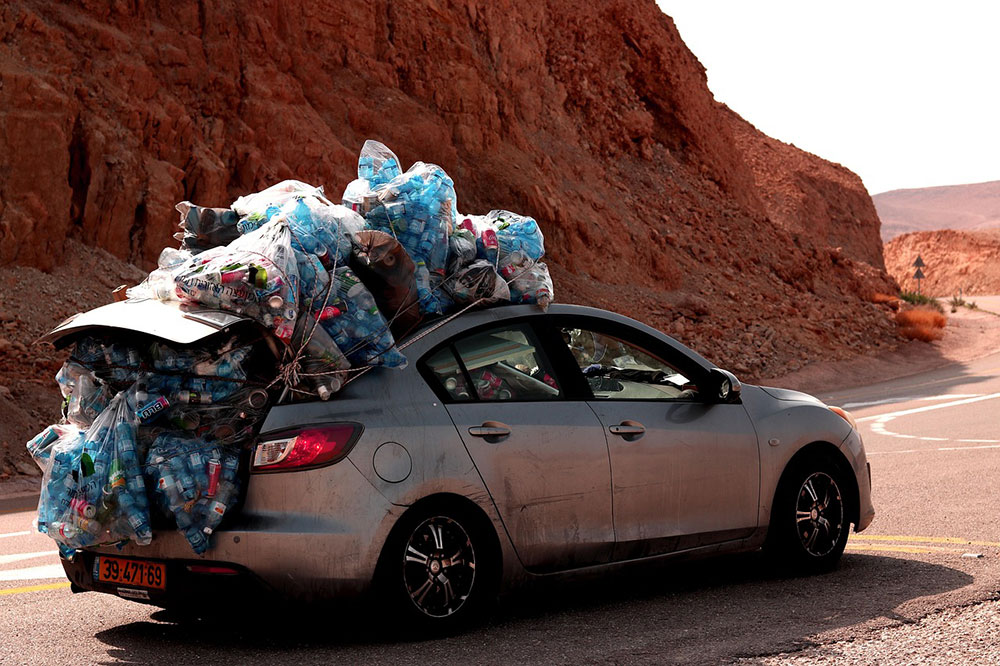
The return journey is when things go wrong, and the reason is straightforward: the car was packed carefully at home in daylight by someone with time, and repacked hurriedly in a car park by people who are tired and slightly damp. Straps loosen over a long drive and should be checked at the first stop. Wet gear weighs considerably more than dry gear, which is not a joke when a roof box is already near its limit. A quick walk around before leaving, checking the rack, the straps and the tyres, is the same discipline everyone already applies to their kit before setting off up a hill. It is odd that so few of us apply it to the thing carrying us there. Ten minutes in a car park at the end of a good day is a poor trade against a strap failing at seventy miles an hour on the way home, and everyone who has watched something leave a roof rack on a motorway has become a convert on the spot.