The Peak District wants tourism to grow at the same time as its National Park Authority is trying to reduce visitor pressure. At face value, that sounds like an impossible conflict to solve, particularly if you've seen what happens around some of its most popular places on a busy weekend.
The Peak District has a visitor problem. Its National Park Authority says the volume and pattern of visits are putting growing pressure on communities, landscapes, and heritage. The Hope Valley has been identified as a particular hotspot with parking regularly causing trouble at popular locations, and more than three quarters of people questioned in a recent survey said they reached the National Park by car. Meanwhile the tourism strategy covering the wider Peak District, Derbyshire, and Derby wants growth. It is aiming for more overnight stays, more international visitors, and an additional £1 billion in economic value by 2035. The question is whether that growth can happen without making the busiest parts of the National Park busier still.
Growth doesn't necessarily mean more visitors
The contradiction weakens once you look at what that growth is meant to involve. The tourism strategy isn't simply trying to put more people into the Peak District. A large part of its plan is encouraging visitors to stay longer, visit across more of the year, and spend more while they're there. The National Park's 2024 visitor survey shows why that matters. Day visitors reported spending an average of £49 during their visit, while staying visitors reported £353. Persuading somebody who already comes to the Peak District to turn a day trip into a weekend can therefore bring considerably more money into local businesses without requiring another person to arrive at an already busy location.
Somebody spending a weekend in the Peak District is more likely to pay for accommodation, eat in a pub, use local shops, and spend money in the area than somebody who arrives for an afternoon walk and heads home. But economics is only part of what the Peak District is for. National Parks exist both to protect their landscapes and to give the public opportunities to understand and enjoy them. The Peak District's location makes that second purpose especially important. More than 20 million people live within around an hour's travel, putting a National Park within reach of an ordinary day out for a huge population.
A walker coming from Sheffield with sandwiches and a flask may contribute very little to the visitor economy that afternoon, yet they are still using the National Park exactly as a National Park is supposed to be used. That leaves two perfectly legitimate ambitions sitting alongside each other. Local businesses benefit when visitors stay longer and spend more, while the public benefits from being able to reach the hills without every walk becoming a weekend away. A successful visitor economy has to work around both.
The crowds aren't spread evenly
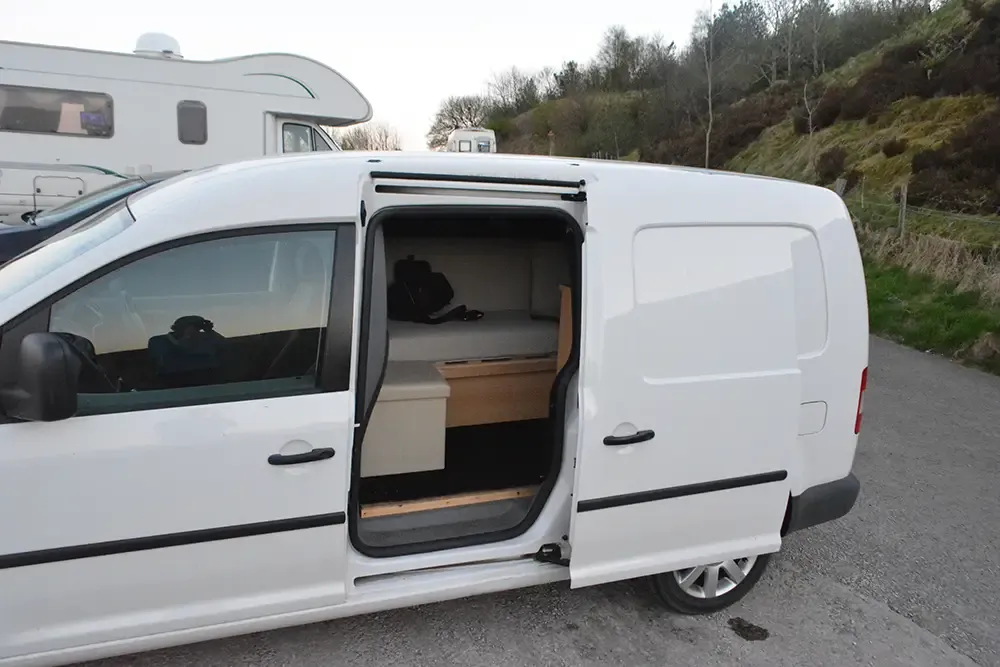
The bigger difficulty is where everybody goes. Recent National Park research identified the Hope Valley as a particular hotspot. That fits the problem most visitors will recognise: the Peak District rarely feels uniformly crowded, but certain villages, roads, car parks, and paths can become extremely busy at the same time. Cars make that concentration much harder to absorb. In the National Park's 2024 visitor survey, 77% of respondents said the car was their main way of getting there. The Authority itself provides almost 2,000 spaces across 44 car parks, yet popular locations can still fill early enough for parking to spill onto roadsides and verges.
This September, the National Park Authority joined Northern and Visit Peak District & Derbyshire in encouraging more people to arrive by train, specifically referring to parking problems in recent years. For places along the Hope Valley railway, that can be a very practical alternative. If you’re considering a car-free trip yourself, our guide to the Peak District’s best bases for winter walkers compares Edale, Hope, Bamford, and Hathersage as places to stay along the line. Elsewhere in the National Park, public transport becomes patchier and a car remains much harder to avoid. The important point isn't that somebody has behaved badly by driving to the Peak District. It is that concentrating large numbers of cars and people in a few places creates problems remarkably quickly.
If somewhere is already crowded, stop pushing more people towards it
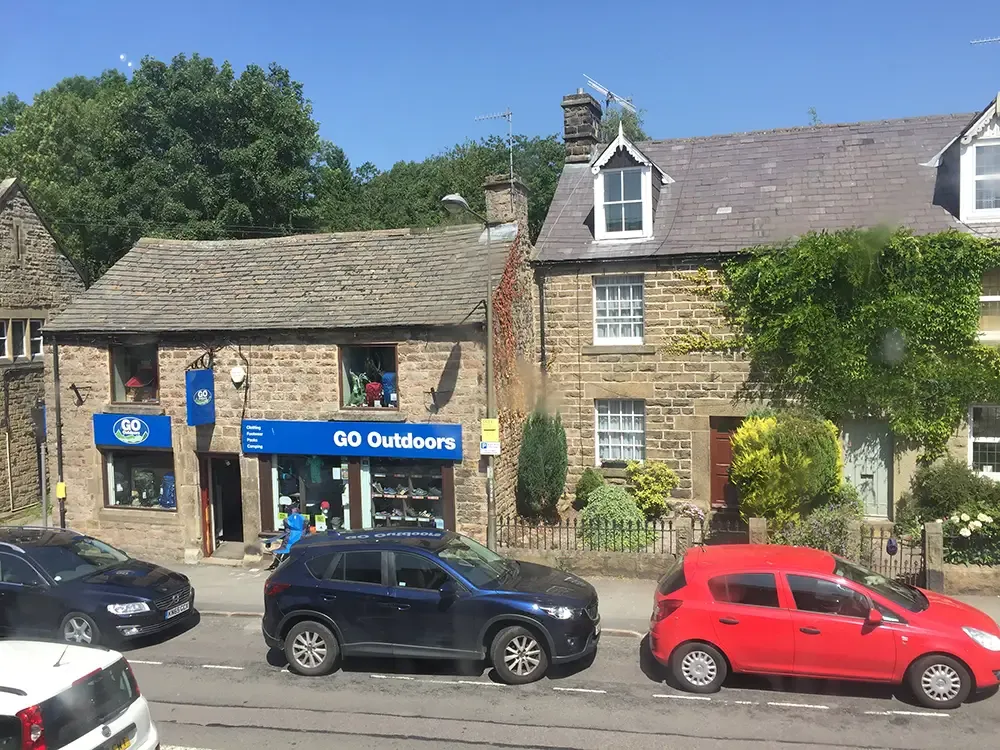
Promotion has a part to play as well. Mam Tor does not need much help finding an audience on a sunny Saturday. Nor does Castleton suddenly require greater exposure when its roads and car parks are already full. Continuing to push the same places at their busiest simply makes an existing problem harder to manage. The National Park's tourism plans recognise this.
In practical terms, the idea is fairly straightforward: don't keep encouraging more people towards places that are already struggling at busy times. Instead, put more effort into quieter periods and other locations that actually have room for additional visitors. That sounds simple until you try to decide where those visitors should go. A quiet valley is not necessarily an unused tourism resource. It may have more sensitive habitats, narrow roads, little parking, no public toilets, or public transport that becomes useless once the working day ends. Sending everybody who would have gone to Mam Tor towards somewhere less prepared for them just moves the problem. Any attempt to spread tourism across the Peak District has to be selective. Some places can accommodate more visitors, while others could take more outside the busiest periods. Some however, may be better left without a social-media campaign calling them out as a hidden gem.
Visitors can only solve part of the problem
When the Peak District is busy, much of the advice naturally falls on the visitor. Don't block gateways. Don't park on verges. Take the train where you can. Try somewhere quieter. Visit outside the busiest hours. This is sensible advice and everyone should be considerate of other visitors, locals, as well as the environment itself. The burden of responsibility cannot fall entirely on the visitor however. A visitor cannot run a later bus, add a train carriage, build a car park, or decide which places appear in next year's tourism campaign. They cannot make an unsuitable roadside suddenly capable of holding another hundred cars because the weather forecast improved overnight.
Visitor pressure is easily turned into a problem of individual behaviour. Bad parking is visible. So is litter. It is much harder to see the transport connection that doesn't exist or the years of promotion that helped turn one viewpoint into the place everybody thinks they ought to see. The National Park's plans acknowledge that wider responsibility. They include better ways to manage vehicles, improving car-free access, and taking a more active approach to heavily visited places. None of this removes the responsibility of visitors to behave properly, but it recognises that good behaviour cannot compensate for infrastructure that has reached its limits.
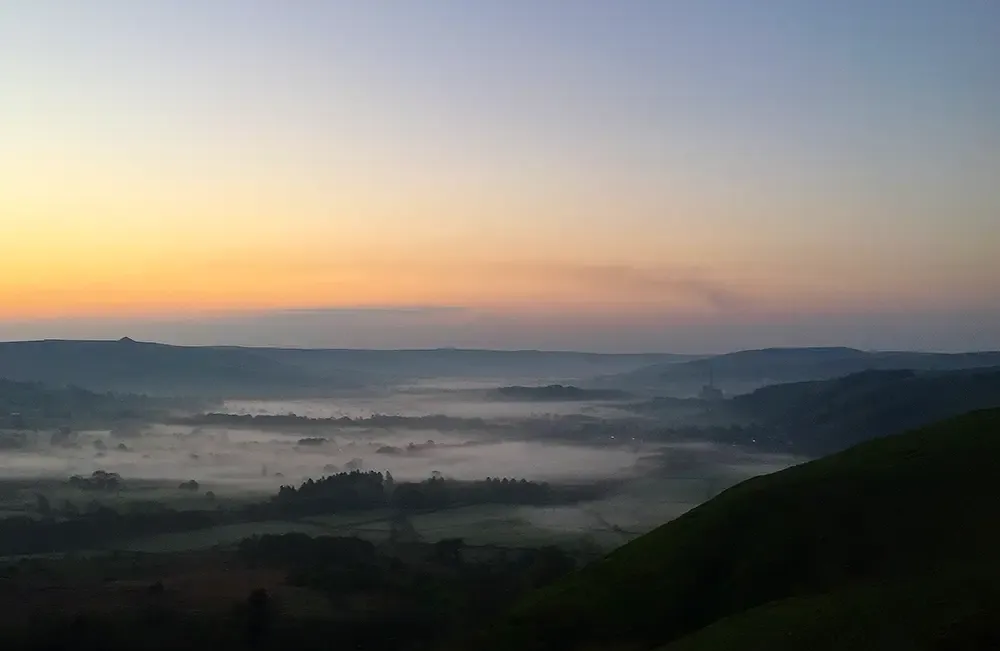
If those changes can help, the Peak District can earn more from visitors without pushing more people into its busiest places at the busiest times, and the two competing ambitions stop pulling in opposite directions. An extra overnight stay brings money into the local economy without necessarily adding another visitor. Filling rooms in quieter months supports businesses without creating another August Bank Holiday. Promoting places that genuinely have spare capacity can spread some of the benefit, while easing off promotion of places that already attract large crowds avoids feeding the pressure further.
Even then, there are no clean solutions. Someone staying for three nights can still drive to Mam Tor at midday every day. A visitor arriving by train still adds another pair of boots to a busy path. Tourism worth more money is not automatically tourism that puts less pressure on a National Park. The Peak District's popularity is hardly surprising. It puts hills, moors, and limestone dales within easy reach of some of England's largest population centres, and for 75 years its status as a National Park has encouraged people to come and enjoy them. The aim cannot be to make that access less important simply because it has been successful. Nor does the answer lie in expecting every visitor to discover an obscure village, book a hotel, and arrive by a bus that may not exist.
The Peak District was created partly so people could enjoy it. Seventy-five years later, rather a lot of people have taken up the offer. Managing what happens next is the harder part.