
Wanderlust is a powerful thing when it grabs you, and these days, it’s grabbing people in very different ways. The traditional sightseeing holiday is quickly becoming a thing of the past; we are, to our credit, eschewing the catered tourist-trap experience in favour of something altogether more real.

This shift away from landmarks and paid attractions, towards a more immersive, active holiday experience, is not unheralded. In a world of digital artifice and curated experiences, there is a real hunger to discover the ‘real’ of a place. Here, we’ll explore what it means to do this through the lens of a deeply explorative holiday on foot.
The Rise of Active Travel
The rise in interest in active and adventure tourism is not a theoretical one; it’s borne out by the data that travellers are more invested in adventure holidaymaking. Experience-led holidays are growing in popularity, against more hectic attraction-led experiences and urban getaways.
A huge part of this is the appeal of walking holidays, which offer a slower, more meaningful way to travel, and for a wide range of travellers, too. But why is the walking holiday a particularly sought-after way to travel?
Connecting with Nature and Culture
Walking holidays are opportunities for connection, above and beyond what’s possible in a conventional sightseeing getaway. With your own two feet on the ground, you can foster a deeper connection with the landscapes and local communities you’re lucky enough to explore.
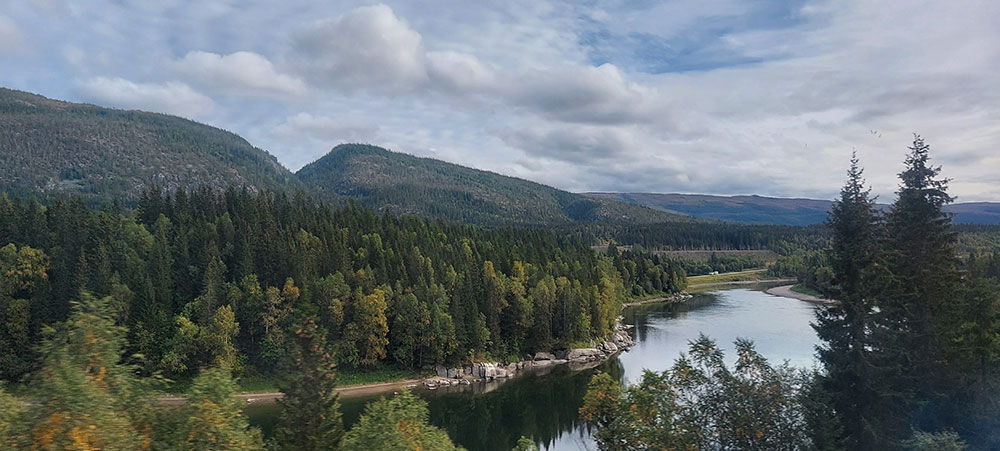
This is because walking puts you right in the middle of a destination, as opposed to skirting around it on a guided tour bus. By walking, you open yourself to spontaneity; to chance meetings with locals, to discovering best-kept secret bars and restaurants in provincial towns, to literally leaving the beaten path and finding a view you’d never see in the guidebooks.

The Personal Rewards of Walking Adventures
This is without even considering the powerful personal benefits that come with choosing a walking holiday over a more conventional, lassez-faire form of holidaymaking. Being an active holiday, you are effectively exercising daily and getting some incredible experiences through that exercise.
Walking is proven to have considerable physical health benefits, particularly on the cardiovascular front, but the unsung benefits are the mental health benefits. Forest bathing is part of a social prescribing programme in the UK for good reason; those same mechanisms make adventure travel a potent thing for good mental health.
Planning Your Own Walking Adventure
So, how should you approach your own walking adventure? Whether you’re going with a group or you’d like to go it alone, the place is a key initial decision; make sure to pick somewhere that holds a lot for you, whether it’s stunning views or enticing culture. If you’re going alone, do prepare some form of itinerary and share it with family, so that they can know roughly where you are if you’re unable to make contact.