
MyOutdoors readers understand that exploring nature is about immersion rather than ticking off sights. In Portugal, the call of the wild often leads to an unexpected feeling: the desire to stay. This piece guides you through some of Portugal’s finest trails and reflects on how spending time outdoors can inspire a deeper connection to a place - and occasionally, thoughts of making it home.
Peneda‑Gerês National Park: The Call of the Wild
Northern Portugal’s Peneda‑Gerês National Park is a rugged realm of granite peaks, deep valleys and cascading waterfalls. Wild horses graze on high meadows; stone villages sit quietly amid oak forests. Hike the Mezio trails for panoramic vistas or follow shepherds’ paths to secret pools.
The difficulty ranges from moderate to very hard, rewarding those who venture deeper. After a day scrambling over rocks, you may pass through old hamlets with thick‑walled granite houses - proof that humans have coexisted with this landscape for centuries. When you sit by a fireplace in a mountain refuge and listen to locals describe seasons of snow and sun, the park’s magic becomes personal.
Madeira: Island of Eternal Spring
If lush greenery and volcanic drama appeal to you, Madeira is irresistible. The island’s network of levadas - irrigation channels turned walking paths - leads hikers along cliff edges, through tunnels and across mountain gorges. Filipe, from TrueMadeira.com, describes it as "walking into the Laurisilva isn't hiking. It's time travel. This forest was breathing while the rest of Europe was under ice. You don't speak loudly in there; the moss swallows your voice". Trails vary in difficulty but always offer up extraordinary vistas: laurel forests, craggy peaks and glimpses of the Atlantic far below. 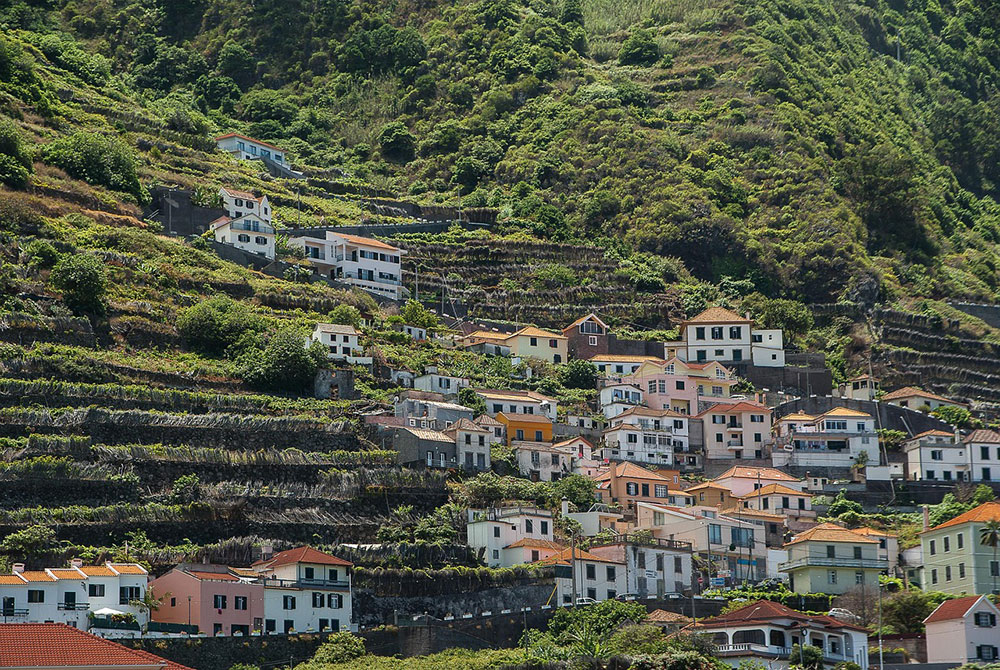
Summit hikes such as Pico do Arieiro to Pico Ruivo deliver sunrise views across a sea of clouds. Adventure seekers can complement hikes with canyoning, paragliding or surfing. After days outdoors, Funchal’s markets and cafés provide a taste of island life, where tropical fruits and fresh seafood fill tables and laughter drifts through cobblestone streets.
Sintra‑Cascais Natural Park: Fairytale Walks Near the Capital
For those based in Lisbon, the Sintra‑Cascais Natural Park offers accessible yet enchanting trails. Family‑friendly walks weave through thick forests, past ancient forts and out to the dramatic Atlantic coast. The fairy‑tale palace of Sintra and its gardens feel like stepping into another world; after exploring the palaces, follow trails to wind‑swept cliffs at Cabo da Roca or the beaches of Praia da Adraga. The park’s microclimate nurtures a rich diversity of flora, while its cultural landscape - recognised by UNESCO - speaks to centuries of human creativity. Staying a few days allows hikers to experience different elevations and ecosystems, from dense woodlands to maritime cliffs.
Serra da Estrela: High‑Altitude Adventures
In central Portugal, Serra da Estrela offers challenging hikes on the country’s highest peaks. Trails traverse glacial valleys, past mountain refuges and through alpine meadows.
In winter the area transforms into a skiing and snowshoeing destination; in summer, hikers can camp under starry skies and swim in glacial lagoons. The region’s rustic villages serve hearty mountain dishes - try queijo da Serra cheese or chouriça sausage to replenish calories. Because the park is less frequented than coastal trails, solitude here amplifies nature’s sounds: wind through pines, sheep bells and your own footsteps.
The Azores: Otherworldly Island Hikes
Off mainland Portugal, the Azores archipelago offers hikes through volcanic craters, along crater lakes and past geothermal springs. On São Miguel, the Sete Cidades trail encircles twin crater lakes - one azure, the other emerald - framed by rolling hills. Trails on Pico Island lead to the summit of Portugal’s highest volcano, while Faial’s Capelinhos Volcano gives hikers a lunar landscape.
The islands’ remoteness fosters a strong community spirit; after trekking, join locals at a village festival or soak in a natural hot spring. Because tourism is growing, many villages encourage visitors to respect trail etiquette and support conservation efforts.
Outdoor Life and the Longing to Stay
Spending weeks on Portugal’s trails often sparks a desire to linger longer. The country’s infrastructure supports this feeling: high‑speed internet, a welcoming culture and thriving coworking spaces make it attractive to digital nomads and remote workers.
Many outdoor enthusiasts decide to base themselves in Portugal for a season or more. This trend has implications for housing: after the termination of Portugal’s Golden Visa in 2023, property values continued to climb - median bank appraisals rose 16.9 % year‑on‑year to €1,866/m². Lisbon commands €5,720 per m², the highest in the country, while supply remains constrained.
Tourism’s outsized role in Portugal’s economy - forecast to contribute €62.7 billion and support 1.2 million jobs in 2025 - means that many communities depend on visitors. But growth must be balanced with sustainability. Those considering relocating should seek advice on renting or purchasing property, particularly in protected regions like national parks or island communities. Understanding local regulations, taxes and environmental standards helps ensure that new residents contribute positively rather than inadvertently driving up prices or straining resources.
For hikers who fall deeply for Portugal and contemplate settling down, there is a resource that offers insights into living amid these landscapes - a comprehensive guide that explains how to navigate the real‑estate market while respecting local culture and environment. Consulting such materials can turn a dream into a responsible plan.
Walk, Wonder, and Perhaps Put Down Roots
Portugal rewards those who explore on foot. From the wild horses and granite ridges of Peneda‑Gerês to Madeira’s levada‑lined gorges, Sintra’s romantic forests, Serra da Estrela’s alpine peaks and the Azores’ crater lakes, each trail offers a unique blend of nature and culture. Hiking opens doors to conversations with locals, tastes of regional cuisine and glimpses into ways of life shaped by the land.
If you find yourself reluctant to leave, take time to understand the local housing landscape and ensure that any move supports the communities and environments that captivated you. Until then, lace up your boots, slap on the sunscreen, follow the trail and let Portugal’s outdoors guide your journey.