
Those numbers assume hostel dorms, mid-range public transit, and one or two paid attractions per day. The same trip booked through a typical hotel-and-restaurant pattern runs three to four times those figures.
The gap between the two cost profiles is not a function of luck. It comes down to a small set of decisions about flights, lodging, food, and rail timing that compound across the trip. Anyone willing to make those decisions ahead of time can move through Europe at a fraction of the typical price.
Flights and Getting There
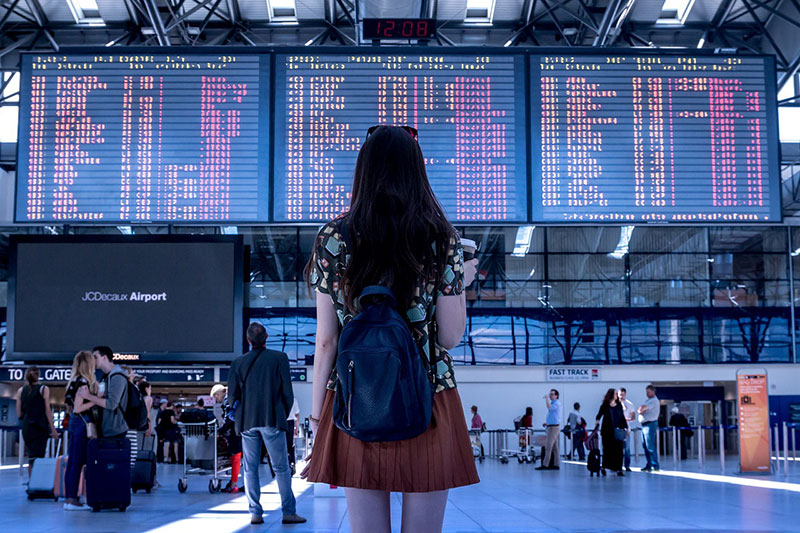
Round-trip discount fares between European cities run as low as 5 EUR on Ryanair, Wizz Air, and similar carriers. The catch is that the cheap fares depart from secondary airports outside the city center and at inconvenient times, and the bag policies are stricter than those of full-service airlines. A traveler willing to fly from Stansted at 6 am with a 40x20x25 cm carry-on can move between London and most major continental cities for under 30 EUR.
Skyscanner and Momondo handle multi-airport searches well. Booking 6 to 10 weeks ahead usually produces the best fares, while last-minute bookings on the same route often run four to five times higher than the early-bird rate.
Trans-Atlantic arrival prices vary widely. Direct flights from major US East Coast airports to London or Dublin in the shoulder seasons run 350 to 500 USD round-trip on a normal year. Connecting flights through Iceland on PLAY or Icelandair often run cheaper than direct flights, but add 6 to 10 hours of travel time.
Lodging Across Europe
Hostel prices range from 20 EUR per night in Eastern Europe to 60 EUR in Western Europe. HostelPass offers up to 20% off across the network, and Hostelworld carries the largest inventory of properties for booking comparison.
Private rooms in hostels usually run 50 to 80 EUR per night, which sits below most budget hotel rates and provides better social access than a chain hotel. For couples traveling together, a hostel private room is often cheaper than a 3-star hotel in the same neighborhood.
Vacation rentals price below hotels in some cities but above hostels almost everywhere. Lisbon vacation rentals run under 100 EUR per night for a private apartment, which compares well to most central hotels at 150 to 250 EUR.
Modern Travel Choices Across Europe
The European travel scene confirms that you don't have to travel with a sugar daddy to see Lisbon, Krakow, or the Greek islands on a real budget. A two-week trip booked on hostel rates with rail passes and street food will run under 1,500 EUR for two people. The same itinerary booked through a luxury travel agent starts at five times that.
Couples sort themselves across a wide range of preferences. Walking-tour-heavy itineraries, food-driven trips, slow city stays, and country-hopping multi-stop schedules each pull a different traveler profile, and the choice of trip style says more about the relationship than the daily budget.
Cheapest Cities and Regions
Krakow, Belgrade, Bucharest, Sofia, Budapest, Istanbul, and Warsaw consistently rank among the cheapest city breaks in Europe. Daily costs in these places run between 35 and 55 EUR per traveler at hostel-and-budget-restaurant levels.
Poland produces the strongest cost-to-quality ratio in Eastern Europe. Krakow's Old Town stays in walking distance of the train station, and a three-course dinner in a sit-down restaurant runs under 25 EUR per person. The same meal in central Paris or Amsterdam runs 60 to 90 EUR.
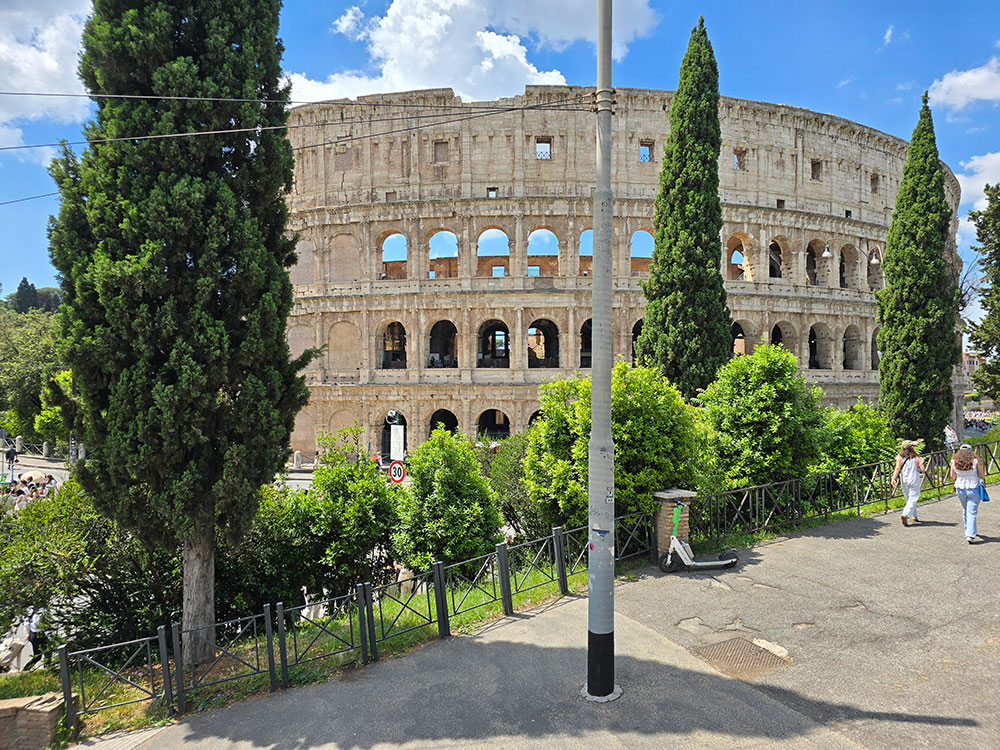
Portugal sits at the lower end of Western Europe. Lisbon and Porto consistently appear on the lists of cheapest cities in Europe. Both deliver Western-European cooking at 50 to 75 EUR per day. A three-course dinner for two with a bottle of house wine in Lisbon runs about 62 USD, and most of the city's top attractions cost nothing or charge nominal admission.
Bulgaria runs cheaper than Poland, with affordable cities like Sofia and Plovdiv producing a different aesthetic. Soviet-era infrastructure mixes with Roman ruins, and thermal spas, mountain access, and Black Sea coastline sit within a day's drive of the capital.
Eating Without the Tourist Markup
Tourist-zone restaurants run two to three times the price of restaurants two streets back. The general rule is that any restaurant with a printed menu in four languages outside the door is overpriced. Walking three to five minutes inland from any cathedral, plaza, or pier drops the price level meaningfully.
Grocery stores sell ready-meals, bakery items, and full charcuterie boards at a fraction of restaurant prices. A grocery-store dinner of bread, cheese, salami, fruit, and a half-bottle of wine runs 6 to 10 EUR per person across most of Europe, including Western European cities.
Lunch deals run cheaper than dinner deals. Many sit-down restaurants run a "menu of the day" for 8 to 15 EUR at lunch and the same dishes a la carte at 22 to 35 EUR at dinner. Travelers who eat their main meal at lunch and a lighter dinner cut their food spending by 30 to 40%.
Tipping conventions in Europe are lighter than US norms. Most countries do not expect a 20% tip, and 5 to 10% is plenty in places where service is not included.
Getting Around the Continent
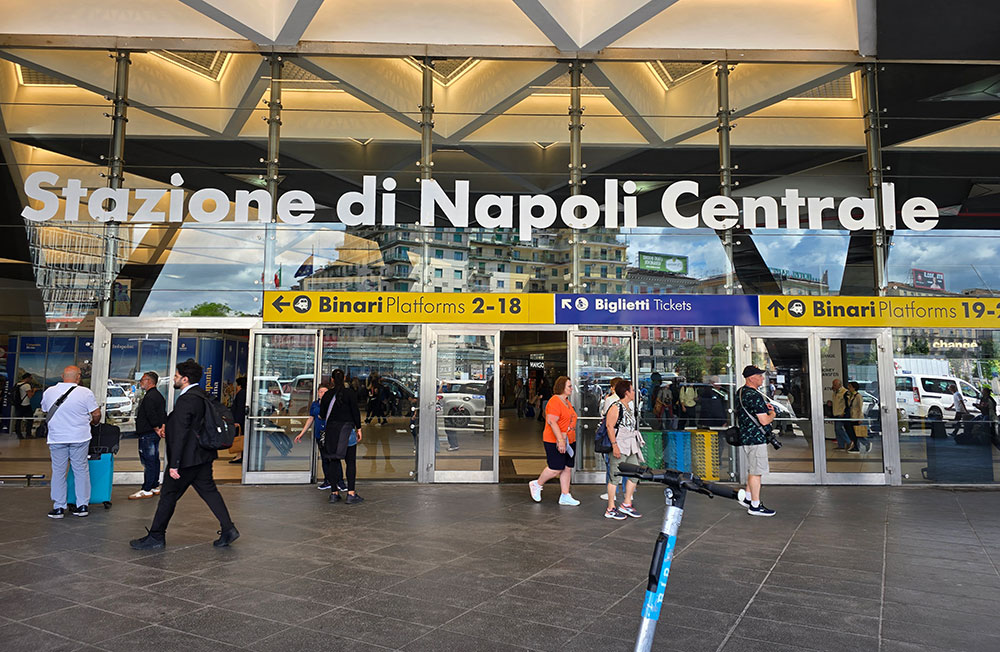
The Interrail Global Pass covers up to 33 countries on one ticket, with options ranging from 4 days of travel within a 1-month window to continuous travel across 3 months. Pricing starts around 200 USD for short passes and runs to 500 USD for long ones. The savings break even after about 4 to 5 long-haul train rides.
Flixbus runs over 2,500 destinations across 35 countries, often at a third of the train fare for the same route. Bus rides are slower, but the cost difference makes them worthwhile on overnight legs and short hops. A Berlin-to-Prague bus runs about 15 EUR. The same trip by train runs 35 to 50 EUR.
Local transit is cheap across Europe. Most cities sell day passes for 5 to 10 EUR that cover unlimited travel on metro, bus, and tram. Single tickets on a per-ride basis usually cost more than the day pass after three to four rides.
Walking covers most central neighborhoods in any European city. The medieval town centers of Krakow, Prague, Barcelona, and Lisbon are all small enough to cross on foot in 30 to 60 minutes.
A Final Note on Budget Travel
Europe can be done cheaply, and the real question is what trade-offs the traveler is willing to absorb on flights, hostel dorms, food shopping, and slower buses. A traveler who wants the Western European luxury hotel routine will pay accordingly. A traveler who wants the same destinations with a different sleeping setup and a Flixbus ride will pay one-third the cost for the same daylight hours.
The savings compound. Each decision to take the secondary airport, the dorm bed, or the local-priced restaurant rolls into a final budget that often runs less than half the typical tour-package quote. Europe is built for both travelers, and the price split is wider than most first-time visitors assume.