
The result is familiar: a small backpack, a long night, and the realisation that warm days don’t guarantee warm sleep. Cold nights are common even in warm destinations. Temperature drops, wind exposure and ground chill can turn what looked like an easy overnight stop into an uncomfortable experience. The good news is that staying warm doesn’t require heavy gear — it requires the right system.
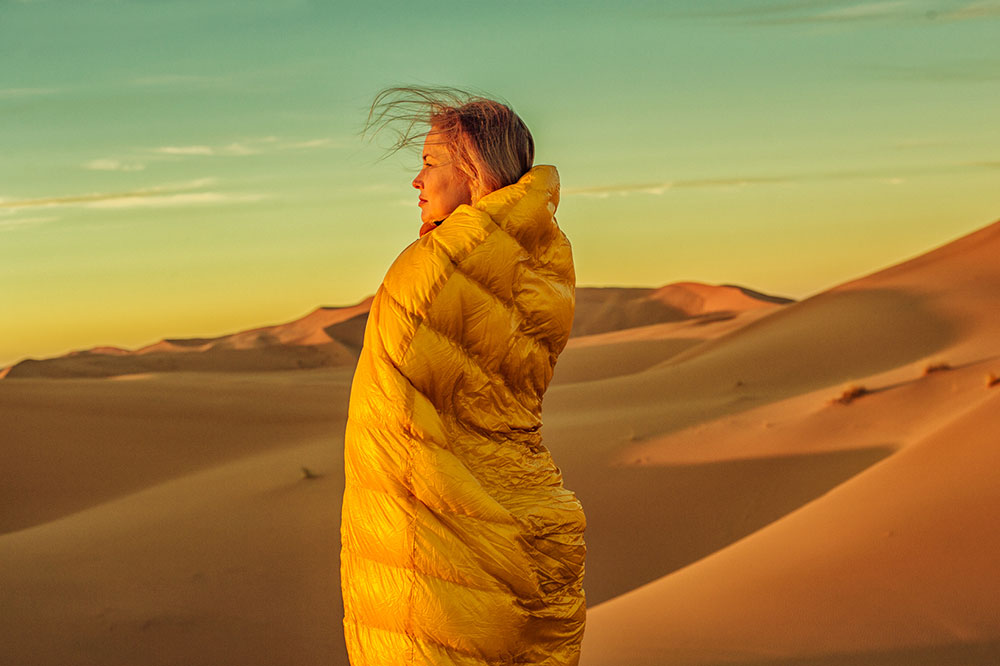
The Rule of Three: Your Sleep System
When it comes to overnight comfort, simplicity works best. A reliable ultralight sleep system consists of just three elements:
- a sleeping bag
- a sleeping pad
- a dry layer for sleep
The dry layer is often overlooked. It should be a dedicated base layer worn only at night, kept dry and free from sweat. Lightweight, breathable fabrics help limit evaporative cooling and make a noticeable difference to warmth.
The sleeping pad matters just as much as the bag. Your body loses heat to the ground faster than to the air, and compressed insulation under you stops working properly. A pad creates a barrier that reduces heat loss while improving overall comfort.
How to Choose Warmth Without Bulk
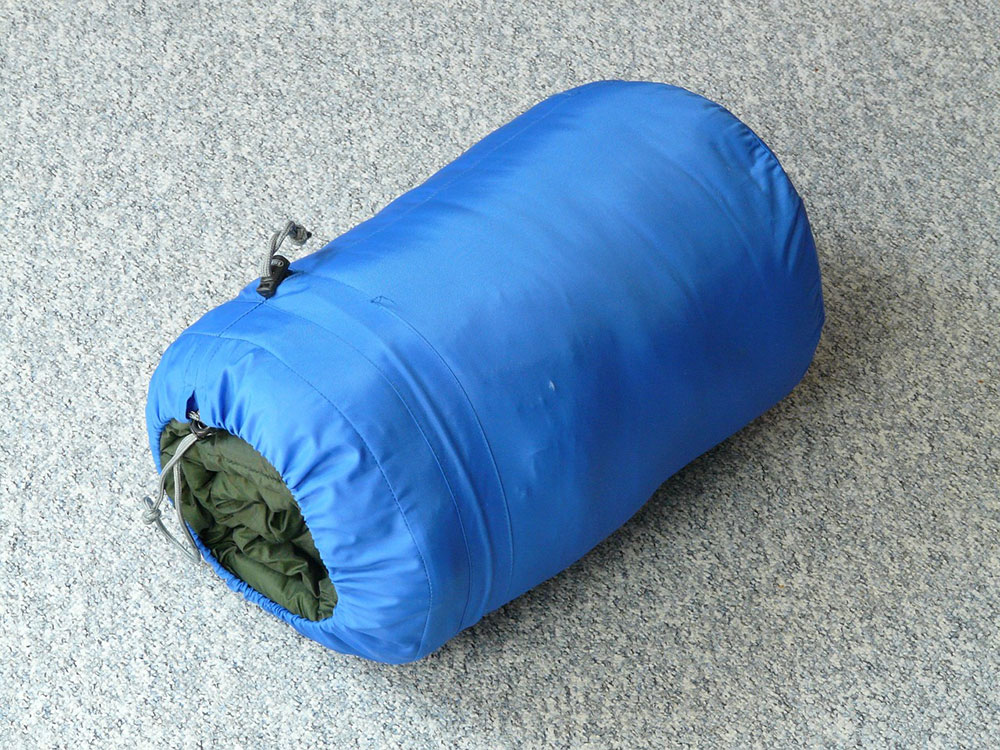
Once you understand the system, choosing gear becomes easier. Packed size is important, but it shouldn’t be the only factor. Comfort temperature, construction and ventilation options all play a role.
For sleeping pads, a rough guide works well:
- R-value 1–2 for summer conditions
- R-value 2–3.5 for cooler or mixed seasons
- R-value 3.5+ when nights get genuinely cold
Ventilation is equally important in a sleeping bag designed for travel. Full-length zippers, two-way openings, adjustable hoods or vented footboxes allow you to manage heat rather than trap it. This flexibility helps avoid overheating early in the night, which often leads to feeling cold later on.
Why People Sleep Cold More Often Than They Expect
Sleeping cold isn’t always about extreme temperatures. In many cases, it comes down to small, avoidable mistakes.
Campsites that feel calm during the day may become exposed to wind at night. Gear stored in damp bags can hold moisture without you noticing. Clothes worn all day might feel dry but still contain enough sweat to cool you down later.
The most common issue, however, is overheating early in the night. Sweat builds up, insulation becomes less effective, and by the time temperatures drop around 3 a.m., staying warm becomes difficult — especially without a pad separating you from the ground.
Pack Smarter: Small Upgrades That Matter
Staying warm doesn’t mean packing more. It means packing better.
A dry bag for your sleeping bag protects insulation from moisture and reduces sleeping bag pack size when compression matters. One dedicated sleep base layer keeps sweat out of your insulation. A simple buff or lightweight hat helps limit heat loss during the coldest hours.
Campsite choice matters too. Even basic wind protection — a wall, trees or terrain features — can change how cold the night feels inside a tent or bivy.
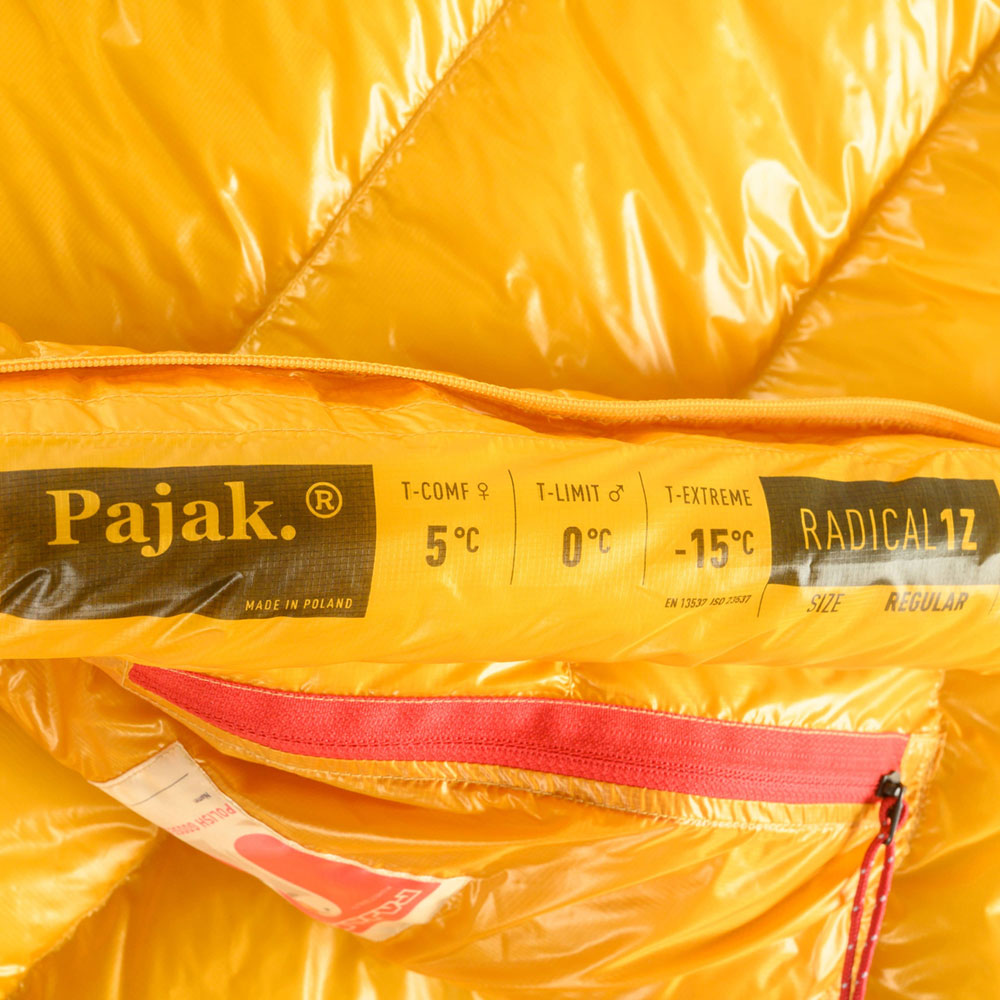
If pack size is a priority, PAJAK offers compact sleeping solutions designed for travellers who care about weight, compression and predictable warmth. Their approach focuses on real insulation rather than unnecessary bulk.
Light Kit, Warm Nights
A lighter backpack doesn’t have to mean restless nights. With a clear system and a few smart choices, comfort stays predictable even when temperatures drop.
Keep this short checklist in mind:
- sleeping bag
- sleeping pad
- dry layer for sleep
- buff or hat
The goal isn’t luxury — it’s consistency. Sleeping well means more energy, clearer thinking and fewer nights that feel like survival exercises instead of rest. Travel light, but let your sleep work for you, not against you.