
A few years ago, the gold standard meant shaving ounces off gear and packing the bare minimum. Lately the trend has shifted in a different direction. Experienced campers are still practical, but they are embracing smarter equipment that makes time outside smoother, more comfortable, and honestly more fun. The latest gear is not about luxury. It is about efficiency, reliability, and small improvements that change the entire rhythm of a trip.
Smarter Shelter Designs Are Changing Camp Setup
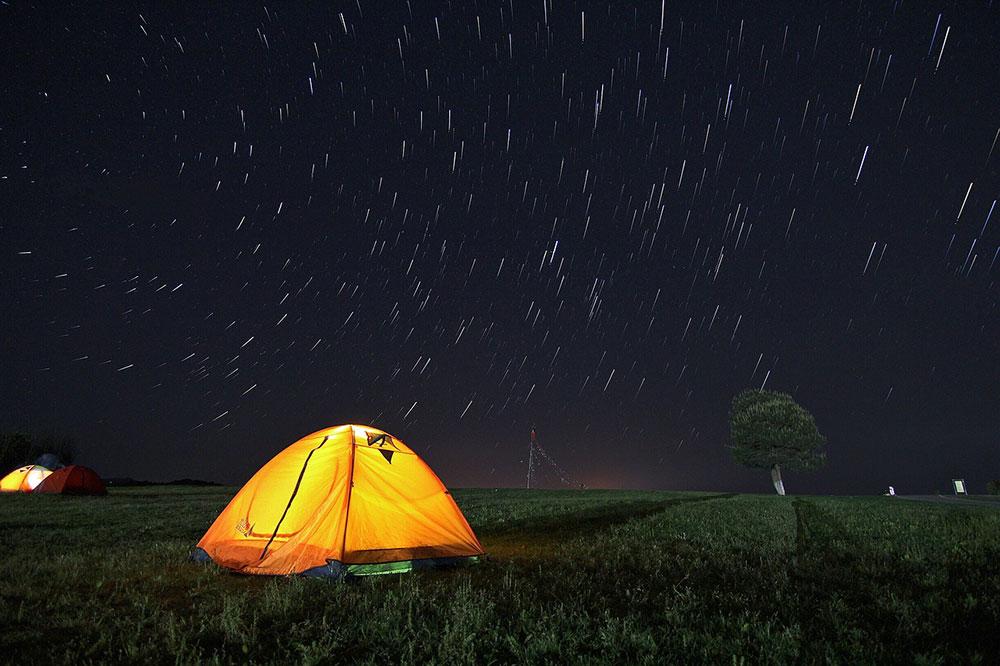
Seasoned campers remember the old ritual of wrestling with poles while daylight disappeared. Modern shelter design has quietly solved that frustration. One of the biggest upgrades arriving in campgrounds and remote sites alike is the inflatable camping tent, which swaps traditional poles for air beams that inflate in minutes.
The appeal becomes obvious the first time someone uses one after a long hike. Instead of threading poles and untangling lines, campers simply pump air into the frame and secure a few anchors. The structure stands firm, often faster than a conventional tent ever could. It also packs down neatly, which matters when trunk space or backpack weight is limited.
More importantly, these tents are surprisingly durable. Manufacturers have spent years refining reinforced air chambers that hold their shape even in strong wind. That reliability has convinced plenty of experienced campers that this once strange idea has matured into a practical solution.
Compact Power Stations Bring Real Independence
Campers who spend long stretches outdoors understand how useful a bit of electricity can be. Not for luxury, but for practical needs like charging navigation devices, powering lanterns, or keeping emergency communication tools ready.
Portable power stations have improved dramatically over the last few years. Older battery packs struggled with capacity and took forever to recharge. The new models pair lithium technology with compact solar panels that fold neatly into a pack or vehicle kit. A few hours of daylight can restore enough energy to keep essential gear running.
This shift has quietly changed how experienced campers plan trips. Multi day routes that once required strict battery conservation now feel easier to manage. Navigation apps, GPS units, and headlamps stay powered without constant worry.
Cooking Gear That Packs Small But Performs Big

Ask any veteran camper what separates beginners from experienced outdoors enthusiasts, and the answer often circles back to food. People who spend real time outdoors understand that a satisfying meal can lift morale faster than almost anything else.
New cooking gear has caught up with that reality. Ultralight stoves now deliver steady heat without the finicky adjustments older models required. Collapsible cookware sets have become common, folding down flat but expanding into surprisingly capable pots and pans.
The clever engineering behind these tools makes it easier to cook real meals instead of surviving on snacks and instant noodles. Fresh vegetables, simple pasta dishes, and hearty soups are all manageable with equipment that fits in a small corner of a pack.
That shift changes the tone of a trip. Dinner becomes an event instead of a chore, and campsites feel a little more welcoming after a long day outdoors.
Sleep Systems Finally Match The Demands Of The Trail
Good sleep outdoors used to require a tolerance for discomfort. Thin foam pads and bulky sleeping bags did the job, but nobody pretended they were luxurious.
Modern sleep systems look completely different. Inflatable sleeping pads now include built in insulation and clever air chambers that support the body evenly. Many campers report sleeping almost as comfortably outside as they do at home, which once sounded ridiculous.
Sleeping bags have also improved, especially in temperature regulation. Lightweight down blends keep campers warm without trapping moisture, and adjustable ventilation allows quick changes when the weather shifts overnight.
For experienced campers, these upgrades are not about indulgence. Rest matters. A well rested camper hikes farther, thinks more clearly, and enjoys the entire experience more fully.
Navigation Tools Are Making Remote Travel Safer

Even the most experienced camper appreciates a reliable backup when traveling far from established trails. Digital navigation has evolved far beyond the early handheld GPS units that struggled under tree cover.
Modern devices combine satellite positioning, offline mapping, and weather updates in rugged equipment designed specifically for outdoor travel. Some models also offer emergency messaging through satellite networks, allowing campers to send a signal even where cell service disappears completely.
These tools have made a noticeable difference for people who enjoy exploring remote terrain. The confidence that comes from accurate navigation encourages deeper exploration while still keeping safety firmly in view.
They also support a growing interest in wild camping, where campers leave established campgrounds behind and spend the night in remote landscapes. With better mapping and communication tools available, more experienced outdoors enthusiasts feel comfortable venturing into areas that once felt uncertain.
Camping culture has always balanced simplicity with curiosity. Experienced campers still appreciate the quiet satisfaction of pitching a tent, building a fire, and watching the stars come out. At the same time, thoughtful gear improvements are making those moments easier to reach.