
The honest answer is that there isn’t a fixed age. One child may be ready shortly after turning two, another closer to four. Birthdays don’t decide it; development does.
Spotting the signs at the right time makes a noticeable difference. When a child starts riding because their body and mindset are prepared, the process tends to feel steadier and less forced. That usually means fewer struggles and more progress.
Early cycling focuses on child development. That is why 12 inch bikes are often designed for specific growth stages rather than a strict age category . This makes it easier for young riders to build confidence, balance and coordination at a pace that suits their development.
1. They can balance on their own two feet
Balance shows up long before a child touches handlebars. Standing upright without wobbling, walking with control, or briefly lifting one foot off the ground are small signs that carry weight.
Riding a bike depends on the ability to stabilise the body while in motion. If balance is inconsistent while standing still, it becomes harder once wheels are moving. A child who shifts weight easily and corrects small stumbles on their own is already practising the same control cycling demands.
Everything on a bike builds from that base - steering, stopping, even confidence. Without balance, progress feels shaky. With it, learning has something solid to rest on. For children at this stage, appropriately sized starter models, including 12 inch bike for kids, are often designed to support early balance development rather than challenge it too soon.
2. They show curiosity about bikes
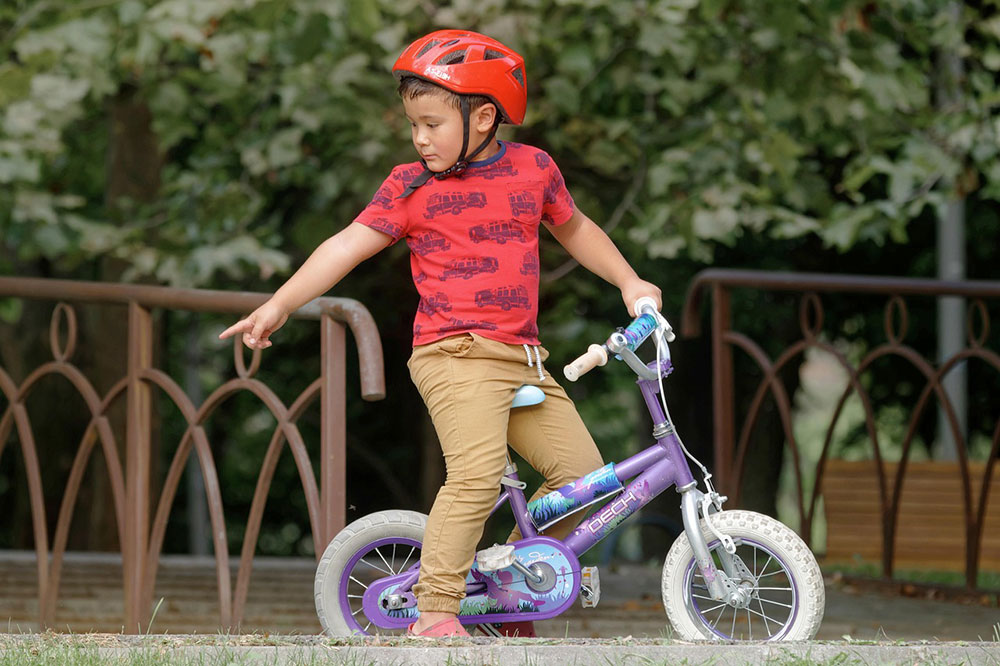
Interest is often visible before readiness is fully formed. Watching other children cycle with concentration, questioning how bikes function, and trying to sit on one are signs that a child is internally motivated to learn.
Curiosity signals internal drive. Learning to ride takes repetition, and repetition requires willingness. When the motivation comes from the child, practice is usually met with less resistance.
Repeated questions about bikes or regular attempts to imitate riders suggest that the idea has already taken hold. That interest often becomes the push that carries the learning process forward.
3. They can follow simple instructions
Cycling is not just physical. A child must listen and react while keeping their body balanced. If they can respond to short instructions such as “slow down” or “stop here,” that matters.
On a bike, several things happen at once. Hands steer. Feet move. The body adjusts. At the same time, guidance needs to be understood and acted upon. A child who processes basic directions in everyday situations is better equipped to manage that overlap.
Physical readiness without listening skills can lead to frustration. When both are present, practice tends to feel more controlled.
4. They have developed basic coordination
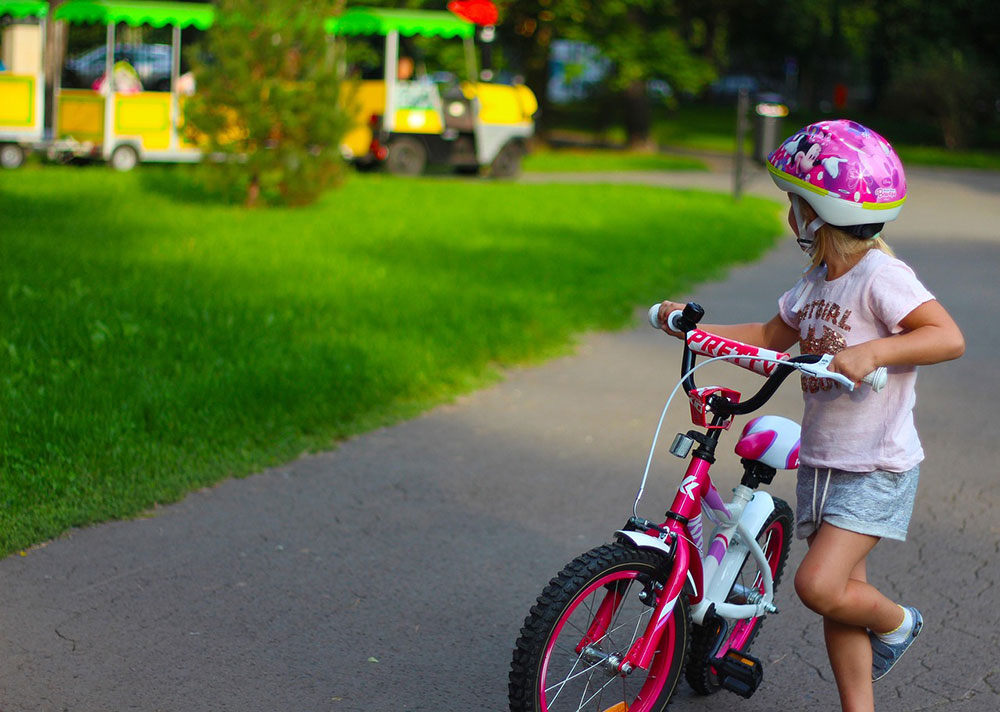
Play often reveals developing coordination. Kicking a ball with control, climbing stairs while alternating feet, or catching a large ball all require timing and body control.
These activities indicate that the child’s brain and body are beginning to coordinate more smoothly — the same type of gross motor control needed to pedal steadily, steer accurately, and maintain balance on a 12 inch bike for kids.
5. They can sit comfortably and reach the ground
Fit affects confidence more than many realise. A child should be able to sit on the saddle and place both feet flat on the ground at the same time. That position provides immediate stability and a sense of control.
Sizing is frequently underestimated in early cycling. Options such as bikes for kids from 2 to 4 years old are proportioned to allow that grounded posture, which supports steadier progress in the first stages of riding.
6. They are emotionally ready to try something new
Even with physical ability in place, emotional readiness shapes the experience. Learning to ride includes moments of imbalance, small mistakes and repeated attempts.
A child who generally tries new activities without excessive hesitation, handles mild frustration, and resumes effort after a setback is more likely to stay engaged. If minor difficulty quickly leads to giving up, waiting may prevent unnecessary stress.
Riding requires persistence. Emotional resilience often determines whether early attempts feel discouraging or simply part of the process.
7. They ask for a bike
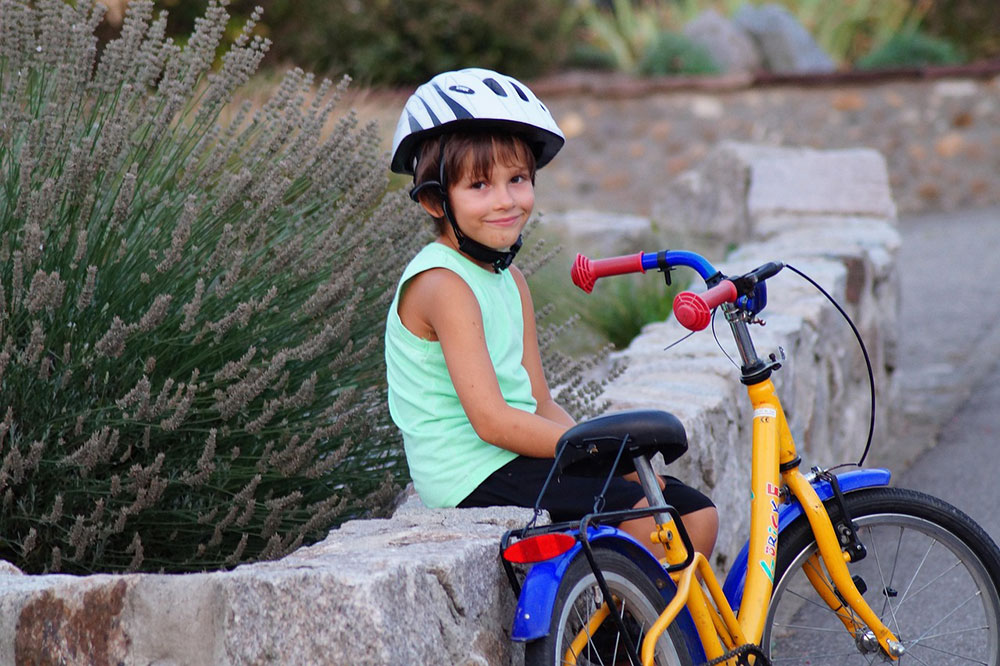
Sometimes readiness is expressed directly. When a child asks for a bike, that request carries meaning.
Wanting to ride changes the tone of practice. The child approaches it as something chosen rather than assigned. That internal motivation influences attention, patience and effort.
When the request is repeated and consistent, it usually signals genuine readiness. At that point, providing a bike that matches the child’s size and developmental stage completes the picture.If you want to explore suitable models for young riders, you can click here to see available bikes. A child who wants to ride is rarely starting from zero — the willingness is already there.