
Ask any experienced mountain leader what ruins the most days on the hill, and blisters will be near the top of the list. Not navigation errors, not kit failures, but sore, battered feet. The gap between a joyful long day out and a painful trudge back to the car often starts with what you pulled on before your boots: your socks.
It sounds dramatic until you remember that your feet can be in constant motion for six, eight, even twelve hours on a big route. STOX running socks are doing quiet work with every step, managing moisture, cushioning impact, reducing friction and supporting circulation. Get them right and you barely think about your feet. Get them wrong and you start planning escape routes by lunchtime.
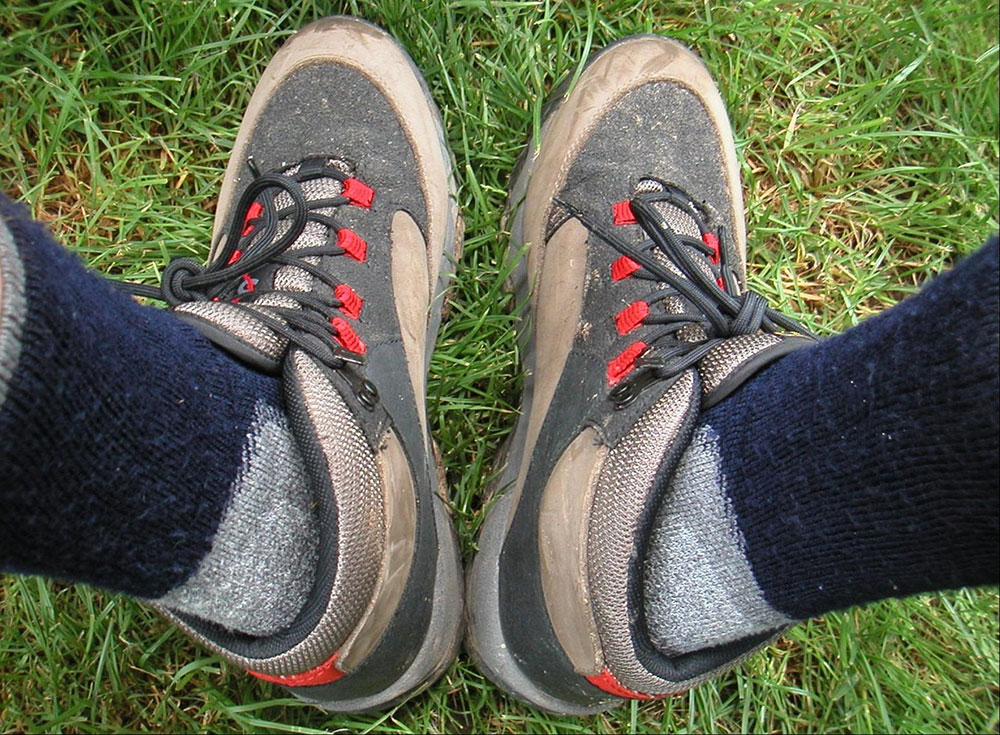
This guide walks through how to choose socks that match the way you hike, whether you are covering mellow forest trails, Scottish winter ridges or multi‑day treks in hot, dry conditions.
Key features that make or break a hiking sock
Fabric blends and what they actually do
Most technical outdoor socks use a blend of fibres, each doing a specific job. Understanding the basics helps you read product descriptions with a more critical eye instead of just hoping for the best.
Merino wool is the workhorse for many all‑round hiking socks. It is naturally odour resistant and feels soft against the skin even when damp. It regulates temperature well, so you are less likely to swing from sweaty to chilly on stop‑start days. On its own it can be too fragile, which is why you will usually see it blended with synthetics.
Synthetic fibres like nylon and polyester add durability and shape retention. They also help move moisture away from the skin so sweat can spread out and evaporate. This is what people mean when they talk about “wicking”. The best socks use synthetics to reinforce high‑wear zones such as heels and toes without feeling plasticky or stiff.
Elastane or similar stretch fibres provide the gentle, compressive fit that keeps a sock in place. That snugness is more than just comfort. It reduces wrinkling and bunching, two of the main culprits in blister formation.
Thickness, cushioning and the climate you hike in
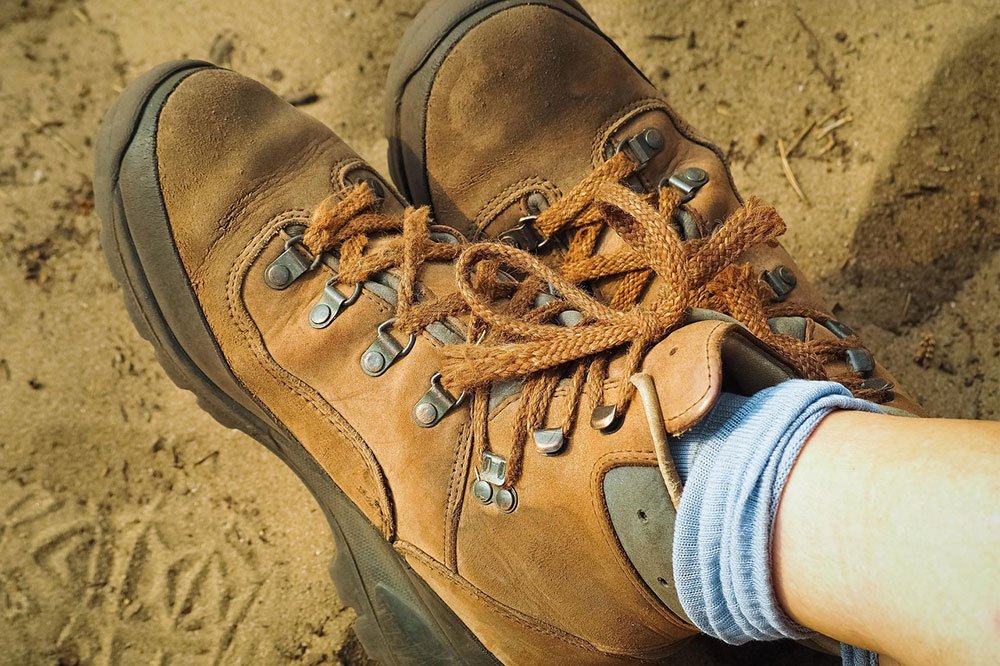
There is no single “best” thickness; the right choice depends on temperature, terrain and your footwear. Light, low‑volume socks pair well with snug trail shoes in warm weather. They prioritise breathability and fast drying and are ideal for day hikes where you are moving quickly and do not need heavy insulation.
Mid‑weight socks add more cushioning under the heel and forefoot. These suit all‑round hillwalking boots, mixed weather and longer days where repeated impact starts to add up. They are a solid default choice for most UK and European hiking for much of the year.
Heavyweight socks come into their own in freezing conditions or at high altitude where warmth and padding matter more than fine control. These are often paired with stiff winter boots and crampons. For most three‑season trips they are simply too warm, and overheating is a fast track to blisters.
Fit, seams and the fight against blisters
Even the best materials cannot rescue a poor fit. Hiking socks should feel snug from cuff to toe without cutting off circulation. If you find creases as you pull them on, expect hot spots later. Pay close attention to the heel pocket; if it rides up when you walk around the house, it will migrate even more once you are on a steep descent.
Seam placement matters too. Modern socks often use flat or low‑profile toe seams to avoid the classic rubbing ridge across the top of your toes. It is worth wiggling your toes and flexing your foot in the shop just to see if anything catches. A few minutes of testing upfront is much easier than taping up sore spots halfway through a ridge walk.
Matching your socks to your adventures

Day hikes and weekend escapes
For typical day walks on established paths, a single pair of mid‑weight, crew‑length socks will suit most people. Look for a mix of merino and synthetic fibres, light cushioning and a breathable knit across the top of the foot. Crew length is long enough to protect your skin from boot collars and trail debris without being overly warm.
If you often move between city and trail in the same footwear, you might prefer slightly lighter socks that still offer zoned support but feel comfortable in everyday shoes. This hybrid approach suits people who grab quick summit bids around work and family life rather than committing to big, remote missions every time.
Multi‑day treks and hut‑to‑hut trips
Stretch your adventures over several days and your sock strategy starts to matter more. Repeated long stages, limited washing options and the mental fatigue of carrying a pack all add stress to your feet. Many seasoned backpackers carry two or three identical pairs and rotate them: one on the feet, one drying on the pack and, if weight allows, one reserved as a “sleeping” pair that never hikes.
It helps to choose socks that dry quickly on a line in a hostel or hut and can handle a gentle hand wash in a sink. Darker colours camouflage the inevitable stains of trail life. If you are prone to blisters, some hikers swear by a thin liner sock under their main pair to reduce friction, though this sometimes requires adjusting boot fit to avoid feeling cramped.
Cold, wet and winter conditions
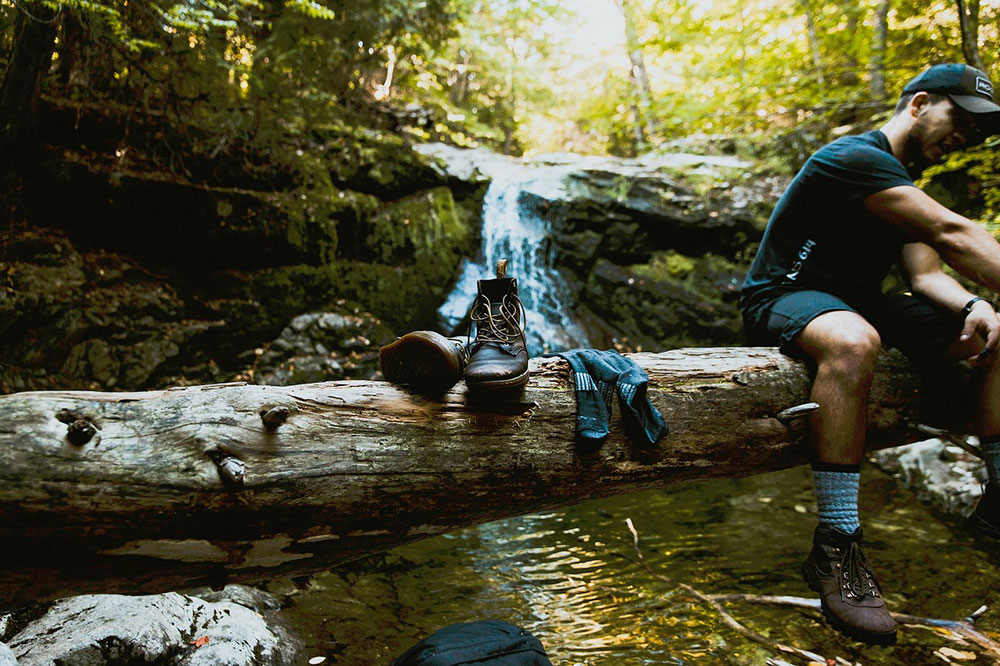
In wet, cold environments your feet are fighting on two fronts: moisture softens the skin and cold reduces circulation. Warmer, higher‑volume socks can help, but only if your boots have enough room to accommodate them without pinching. It is common to size winter boots slightly larger to account for thicker socks and natural foot swelling.
Zoned cushioning around the toes and under the ball of the foot absorbs some of the shock of kicking steps or front‑pointing in crampons. A cuff that stays put is vital if you are post‑holing through snow or wearing gaiters. If your day starts with that familiar squelch as you step into saturated peat, you will be glad of a sock that retains some warmth even when damp.
Support, compression and recovery on the trail
When added support starts to make sense
As more people string together big days, ultra‑distance routes and rapid ascents, there is growing interest in socks that do more than provide warmth and cushioning. Graduated compression designs aim to support circulation, reduce lower‑leg fatigue and minimise that heavy, swollen feeling at the end of a long descent.
For hikers tackling demanding itineraries such as hut‑to‑hut alpine traverses or multi‑day UK rounds, subtle calf and arch support can feel surprisingly helpful by day three or four. This is particularly true for those who spend the rest of the week at a desk and then ask a lot of their legs at the weekend.
Brands like STOX energy socks focus on this performance and recovery angle, combining targeted compression with the familiar hiking‑specific features such as zoned cushioning and moisture management. While not everyone needs this level of support for short, low‑level walks, it is worth considering if your trips are long, steep or back‑to‑back.
Post‑hike rituals your feet will appreciate

Even the best socks cannot compensate for neglect once you are off the hill. Simple rituals help your feet bounce back ready for the next outing. Take off damp socks as soon as you can, dry your feet thoroughly and put on a clean, dry pair. If you are camping or staying in basic accommodation, this often feels like a small luxury after hours on the move.
Elevating your legs for ten to fifteen minutes, gently massaging your calves and checking for hot spots or broken skin all help you catch small issues before they become trip‑ending problems. On longer journeys, a small pot of foot balm and a roll of zinc oxide tape can be as valuable as any high‑tech garment.
Building a small but effective sock quiver
You do not need a drawer overflowing with technical socks to cover most hiking scenarios. For many people, a simple “quiver” works well: a couple of pairs of light or mid‑weight socks for three‑season trails, one or two warmer pairs for cold or shoulder‑season days, and, if your ambitions lean that way, one or two supportive or compression‑focused options for big pushes and long descents.
The goal is not perfection; it is to reach the point where you lace your boots without a second thought about what is underneath. When your feet stop demanding attention, your focus shifts back to what drew you into the hills in the first place: the ridgeline ahead, the changing light on the valley floor and the quiet rhythm of one confident step after another.