
A long drive is stressful enough without discovering a tyre problem halfway through. Whether you are heading to the airport, visiting family, or setting off on a road trip, your tyres should be one of the first things you check before leaving home.
Tyres are the only part of your vehicle in direct contact with the road. Their condition affects braking, steering, fuel efficiency and overall safety. The good news is that a thorough pre-journey tyre check only takes a few minutes and can help you spot problems before they become dangerous or expensive.
Here is a practical checklist every UK driver should work through before a long journey.
1. Check Your Tyre Tread Depth
In the UK, cars, light vans and light trailers must have a minimum tread depth of 1.6mm across the central three-quarters of the tyre and around the full circumference. Driving below this limit is illegal and can result in a fine of up to £2,500 per tyre, along with three penalty points.
A quick way to check is the 20p test:
- Insert a 20p coin into the main tread groove
- If you cannot see the outer band of the coin, the tread is likely above the legal limit
- If the outer band is visible, the tyre may be close to or below the limit and should be checked professionally
For an accurate reading, use an inexpensive tread depth gauge. While 1.6mm is the legal minimum, tyre safety organisation TyreSafe recommends considering replacement as tread approaches 3mm - wet braking distances increase significantly as tyres wear down.
2. Inspect the Tyres for Visible Damage
Walk around the vehicle and inspect all four tyres carefully. Look for:
- Cuts or splits in the rubber
- Bulges or blisters on the sidewall
- Cracking caused by age or UV exposure
- Nails, screws or sharp objects embedded in the tread
- Uneven or patchy wear across the tyre surface
- Exposed cord or any area of severe wear
Sidewall bulges are particularly serious. They indicate internal structural damage - often caused by a pothole or kerb strike - and mean the tyre should not be driven on until it has been inspected. If you spot one, do not guess. Have it looked at before you travel.
3. Check Tyre Pressures When Cold
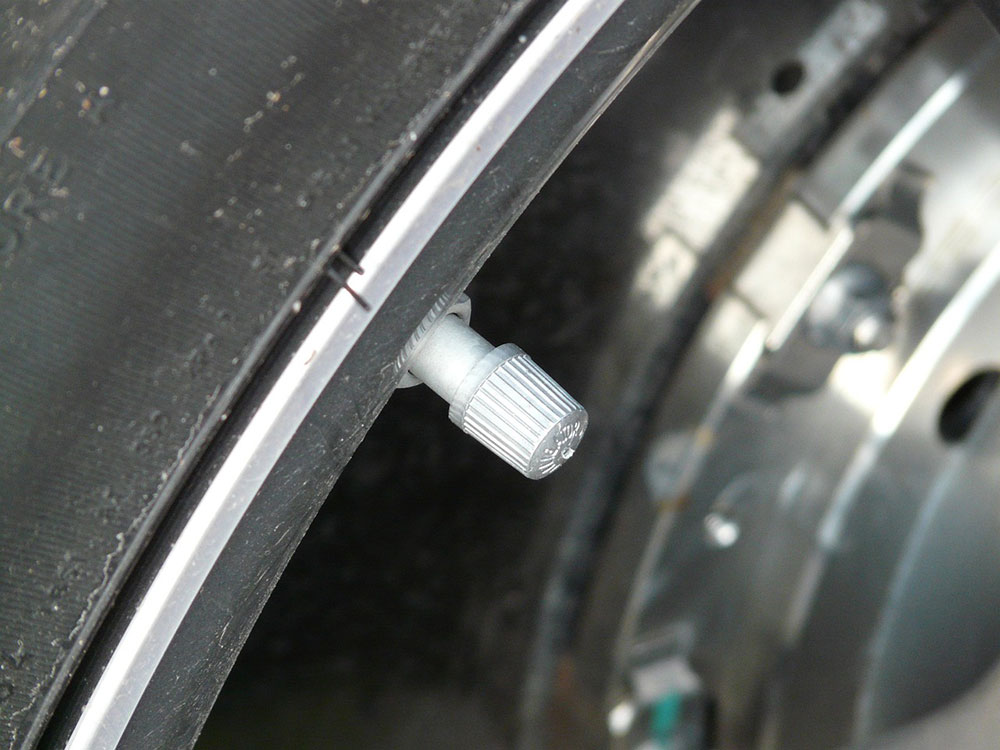
Tyre pressure affects braking performance, fuel consumption, handling and tyre life. Under-inflation causes tyres to overheat and wear unevenly on the outer edges. Over-inflation reduces grip and causes faster wear in the centre of the tread.
Always check pressure when the tyres are cold - ideally before you have driven more than a couple of miles - as warm tyres give a higher, misleading reading. The correct pressures for your vehicle can be found:
- On a sticker inside the driver's door frame or fuel filler cap
- In the vehicle handbook
Remember to adjust pressures if you are carrying a full load of passengers, luggage, or roof-mounted equipment. Many vehicles have separate recommended pressures for laden and unladen driving, so it is worth checking.
4. Check for Uneven Wear
Wear patterns can reveal underlying problems beyond simple tyre condition:
- Both outer edges worn - likely under-inflation
- Centre worn more than edges - likely over-inflation
- One side worn more than the other - possible wheel alignment problem
- Patchy or irregular wear - possible suspension or wheel balancing issue
If a tyre is worn heavily on one side, it may be unsafe even if the central tread still looks acceptable. Always inspect the full width of each tyre. If you notice uneven wear, have the alignment or suspension checked before your journey.
5. Check for a Slow Puncture
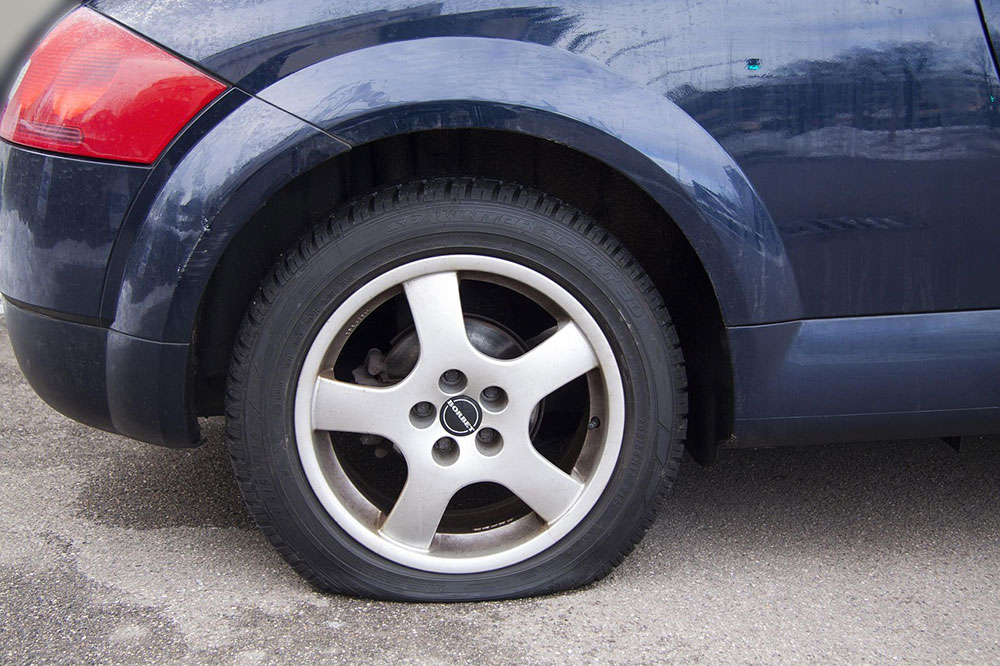
A slow puncture is easy to miss at home but can become serious at motorway speed. Warning signs include:
- One tyre repeatedly losing pressure over days or weeks
- The vehicle pulling slightly to one side
- A TPMS warning light appearing on the dashboard
- A tyre that looks visibly lower than the others
- A nail or screw visible in the tread
If you suspect a slow puncture, get it assessed before setting off. A puncture in the central tread area may be repairable, but this can only be confirmed after a proper inspection.
6. Do Not Forget the Spare Wheel or Repair Kit
Many drivers check the four fitted tyres but forget about the spare. If your vehicle has one, make sure it is properly inflated and in usable condition.
If your car uses a tyre inflation or sealant kit instead, check that:
- The kit is present and accessible
- The sealant has not passed its expiry date
- The compressor works
Bear in mind that sealant kits cannot repair every puncture. Sidewall damage and large tears generally cannot be treated with a temporary kit - in those cases, a replacement tyre is needed.
7. Check the Tyre Age
Tyres can deteriorate even when they still have tread depth. Rubber hardens and cracks over time, particularly on vehicles that cover low mileage or sit unused for long periods.
You can check the age of a tyre by finding the DOT date code on the sidewall. The last four digits indicate the week and year of manufacture - for example, "2523" means the tyre was produced in week 25 of 2023. Tyres over six to ten years old - even with good tread - should be inspected by a professional before a long journey.
8. What to Do If You Spot a Problem
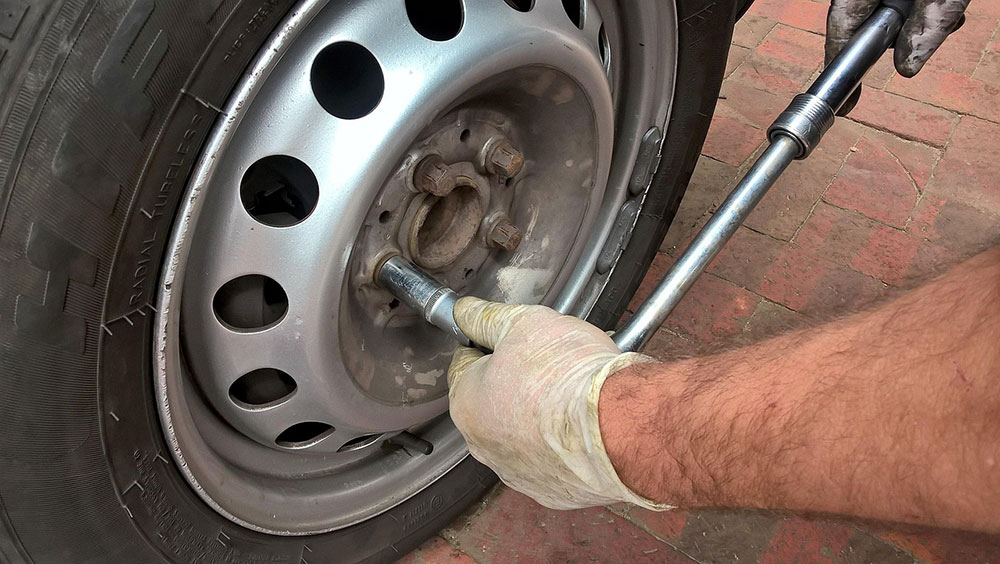
If anything looks wrong - low tread, a slow puncture, sidewall damage, or a tyre that will not hold pressure - do not set off until it has been properly assessed. Driving on a compromised tyre puts you, your passengers and other road users at risk.
If the car is at home or at work and you are not comfortable driving it, a mobile tyre fitting service can come to your location, inspect the tyre and carry out a replacement where needed - without you having to risk driving to a garage on a questionable tyre.
For drivers in and around St Albans, QuickGrip provides mobile tyre support at home, work and roadside locations across Hertfordshire.
Long-Journey Tyre Checklist
Before you leave, run through the following:
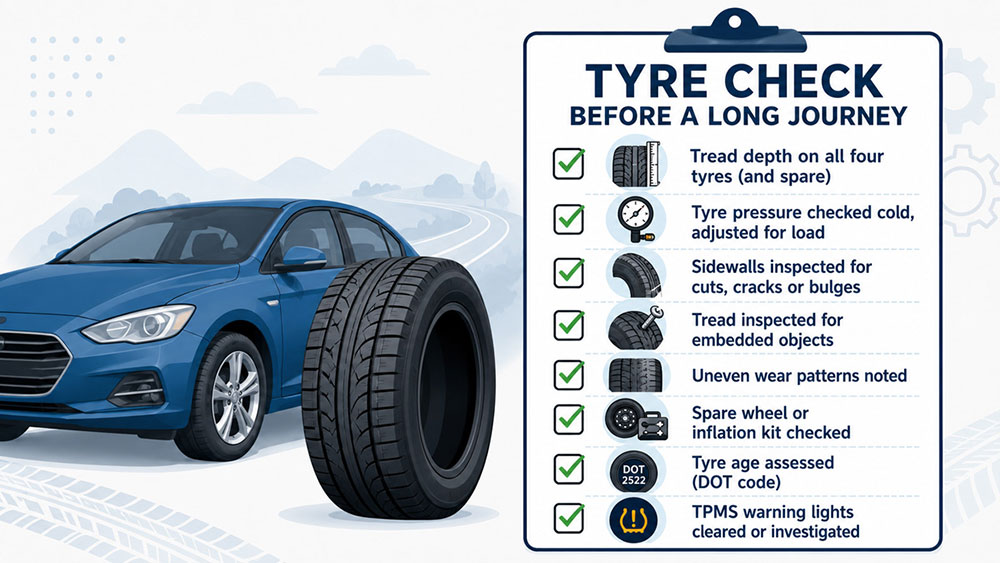
- Tread depth on all four tyres (and spare)
- Tyre pressure checked cold, adjusted for load
- Sidewalls inspected for cuts, cracks or bulges
- Tread inspected for embedded objects
- Uneven wear patterns noted
- Spare wheel or inflation kit checked
- Tyre age assessed (DOT code)
- TPMS warning lights cleared or investigated
On very long trips, a quick visual check at a fuel stop takes seconds and can help you catch something early.
Final Thought
Tyre checks are simple, quick and often skipped. Spending five minutes before a long journey checking tread depth, pressure and visible condition is one of the most straightforward things you can do to reduce the risk of a breakdown or unsafe driving situation.
If anything looks wrong, get it sorted before you travel. It is far better to deal with a tyre issue on your driveway than on the hard shoulder, miles from home.