
It usually comes from small, repeatable choices that make daily life easier to manage. Light, layout, scent, storage, routines, and the way people share a space all influence how a home feels at the end of the day.
It can still be personal, practical, and lived in, with room for the things people actually enjoy, whether that means novels, vinyl records, plants, or a quiet playlist featuring artists like Leo Faulkner. The goal is to reduce friction, make common tasks easier, and create spaces that support a calmer daily rhythm.
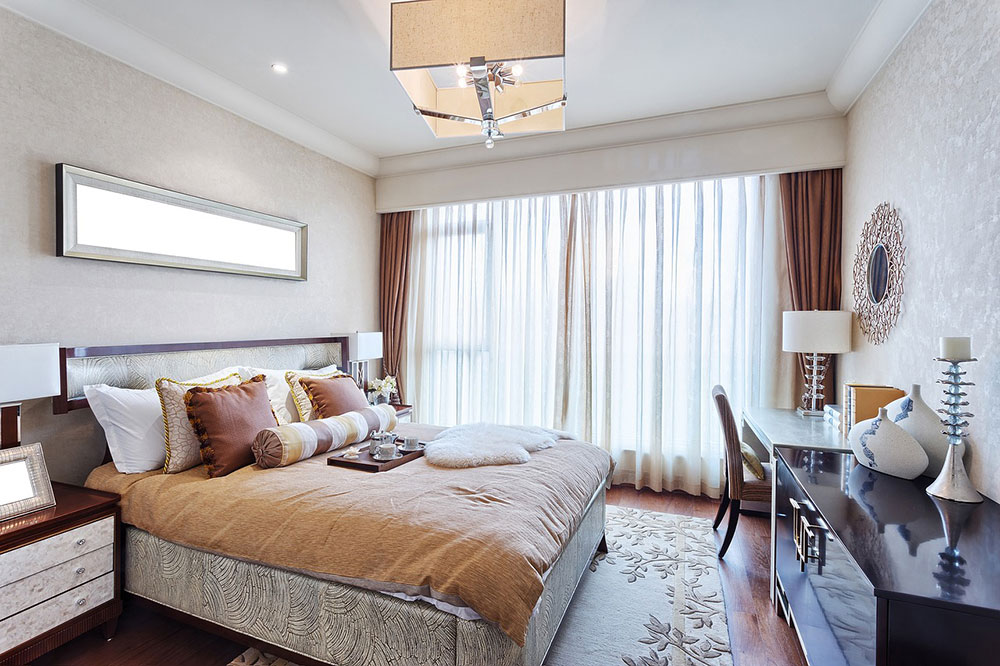
Top 5 everyday ideas for a calmer home
The most useful changes are often the ones that are easy to repeat. A home becomes more restful when its routines are simple enough to maintain even on busy days.
- Start with one visible reset each morning
Making the bed, opening curtains, or clearing the bedside table can give the day a more orderly beginning. The point is not perfection. This small signal indicates that someone is taking care of the space. - Keep key surfaces mostly clear
Kitchen counters, coffee tables, desks, and nightstands have a strong visual effect. Crowded areas can make the entire room feel busier. Keeping only the items used daily can make the space feel lighter. - Use short cleaning routines instead of long sessions
A 10 or 15 minute reset after dinner can prevent clutter from becoming overwhelming. For example, clearing dishes, folding a blanket, putting shoes away, and wiping one surface can change the feeling of a room without turning the evening into a cleaning project. - Create a screen boundary in at least one room
Keeping phones, laptops, and constant notifications out of the main experience can make a bedroom, reading corner, or dining area feel more peaceful. This boundary does not need to be strict across the whole home. Even one low-tech area can help create a different atmosphere. - Add one calming cue to an existing habit
Relaxation is easier to build when it attaches to something already familiar. Taking three slow breaths after hanging up keys, lighting a warm lamp before dinner, or stretching for two minutes before a shower can make calm feel like part of normal life rather than another task.
Decluttering should support real life
Clutter often makes a home feel tense, but decluttering does not mean removing everything personal. A practical home can still hold books, photos, tools, hobbies, and everyday objects. The difference is whether those items have a clear place to return to.
Simple systems help more than perfect storage. A basket near the sofa can hold blankets or remotes. Mail and keys can be gathered on a tray by the door. A hamper placed where clothes are usually dropped is often more useful than a storage idea that looks better than it works. The “one in, one out” rule also keeps possessions from slowly building up.
Light, scent, texture, and sound shape the mood
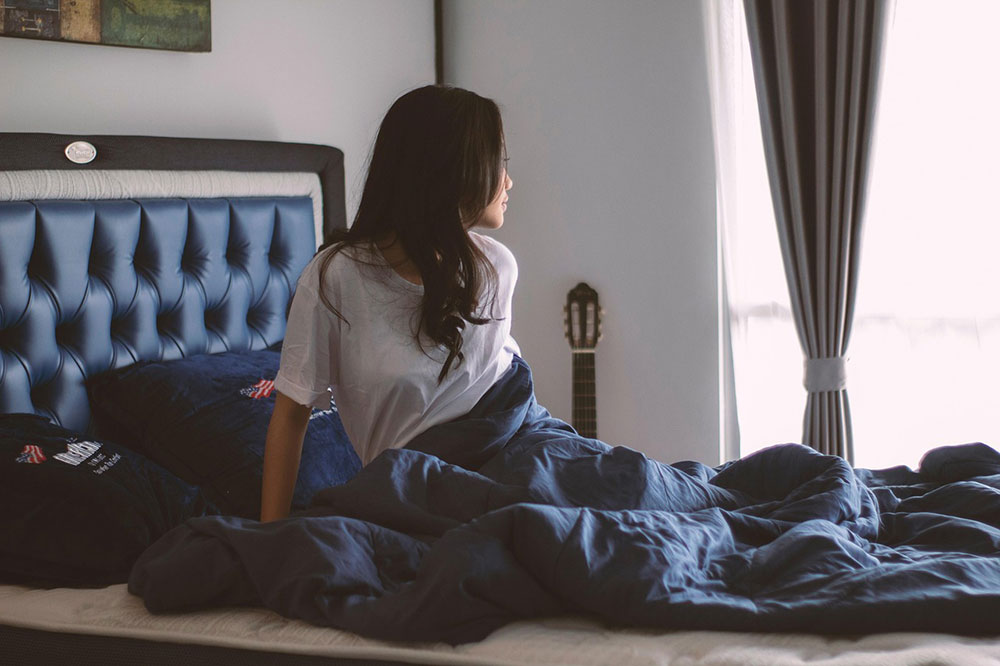
A relaxed environment is not only about tidiness. Harsh lighting, loud surfaces, artificial smells, or cold textures can make a room feel less comfortable even when it is clean. Natural light is one of the easiest starting points. Opening curtains, moving heavy objects away from windows, and using mirrors carefully can make rooms feel more open.
In the evening, softer lighting usually works better than one bright overhead light. Texture also matters. Cotton, linen, wool, wood, baskets, plants, and soft rugs can make rooms feel warmer. Scent should be subtle, so the space feels fresh rather than heavy. Rugs, curtains, cushions, and upholstered furniture can also soften echoes and reduce harsh noise.
No-stress zones make relaxation easier to repeat
A home can feel calmer when certain spaces have a clear purpose. This is useful when work, rest, meals, and entertainment happen close together, including a small media area for film reviews, streaming guides, or checking platforms like 123movies to find what to watch. Zoning does not require extra rooms. It can be as simple as assigning one chair, corner, or table to a specific activity.
A no-work corner might include a comfortable chair, a lamp, a blanket, and a small table for tea or a book. The rule is simple: no laptop, no work calls, no paperwork. Bedrooms benefit from similar clarity. Keeping work materials and visible clutter away from the bed can make the room feel more connected to rest.

A calmer home is built through repeatable choices
Creating a more relaxed home environment is not about copying a perfect interior or following a rigid routine. It is about noticing which parts of daily life create friction and adjusting them with practical, repeatable choices.
Clear surfaces, softer lighting, thoughtful storage, low-tech zones, and small mindful pauses all contribute to a home that feels easier to live in. The same sense of order also matters in digital life, from keeping chargers in one place to organizing saved videos, files, or tools like a Youtube to MP4 converter used for offline viewing. None of these changes needs to be dramatic. A calmer home is usually shaped by habits that are simple enough to repeat and flexible enough to fit real life.