
There is gear to organise, routes to check, weather to consider and, in many cases, a fair amount of distance to cover before reaching quieter ground. For riders who use woodland tracks, farm roads, gravel paths or remote camp access routes, an electric hunting bike can be more than a convenient way to travel. It can become part of the wider outdoor system.
The best hunting e-bike is not simply the most powerful model on the page. Outdoor trail use asks more of a bike than a short ride on smooth pavement. Riders need stability, range, grip, braking control and enough comfort to stay fresh over changing terrain. The right choice depends on where you ride, how much gear you carry and how far you expect to go before turning back.
Start with the Terrain
Before comparing motors and battery numbers, it is worth thinking about the ground under the tyres. Outdoor trail access can mean compact dirt one mile, loose gravel the next and wet grass or rutted tracks after that. A bike that feels fine on a paved lane may feel very different once the surface starts to break up.
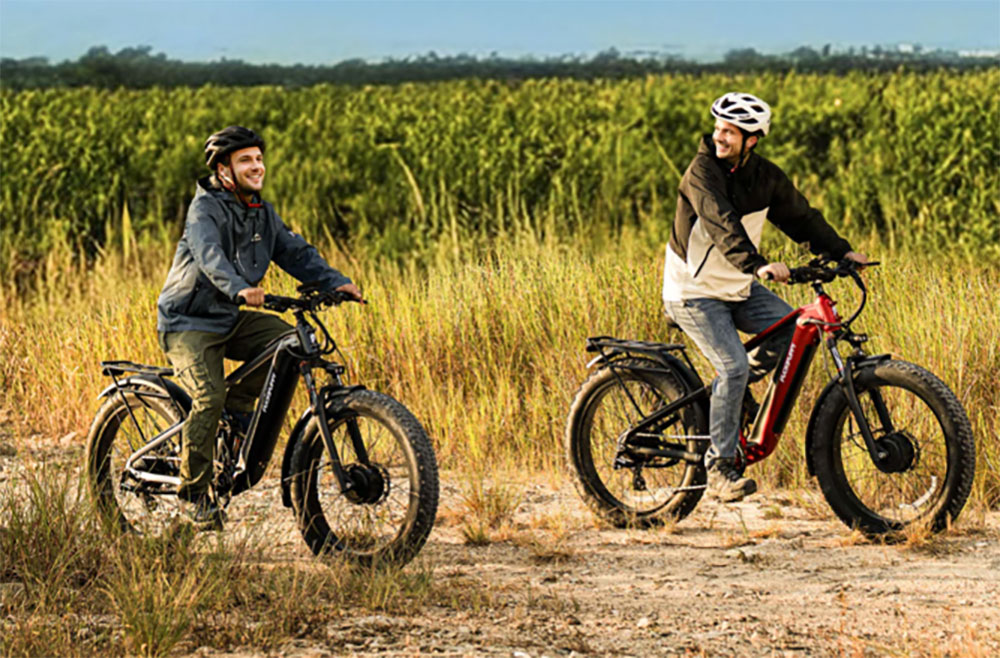
For this reason, tire choice matters. Fat tires are popular on hunting and outdoor e-bikes because they offer a wider contact patch with the ground. That extra width can help the bike feel more settled on loose or uneven surfaces, especially when the rider is carrying extra equipment. They are not a magic answer to every trail condition, but they can make rougher routes feel more manageable.
Look for tyres that match the kind of riding you actually do. If your routes include forest roads, camp tracks, gravel lanes or mixed outdoor paths, a fat tyre setup is often more practical than a narrow commuter-style tyre.
Range Matters More Than You Think
Battery range is one of the first numbers riders notice, but it should be treated with care. The advertised range is useful for comparison, but real-world distance depends on rider weight, terrain, tyre pressure, wind, temperature, assist level and load.
For hunting-season access or longer outdoor rides, range is about confidence. You may not need the full maximum distance every time, but extra capacity gives you more flexibility if the route changes, the ground gets softer or you need to make an additional stop.
A long range e-bike is especially useful when the ride includes both travel and return distance. It is easy to focus on getting out to a trailhead or camp area, but the return ride matters just as much. Choose a bike with enough battery capacity for the full route, not just the first half of the day.
Motor Support Should Feel Controlled
Power can be helpful outdoors, especially on climbs, soft ground or when carrying gear. However, control is just as important as strength. A hunting e-bike should deliver assistance in a way that feels predictable, not sudden or difficult to manage.
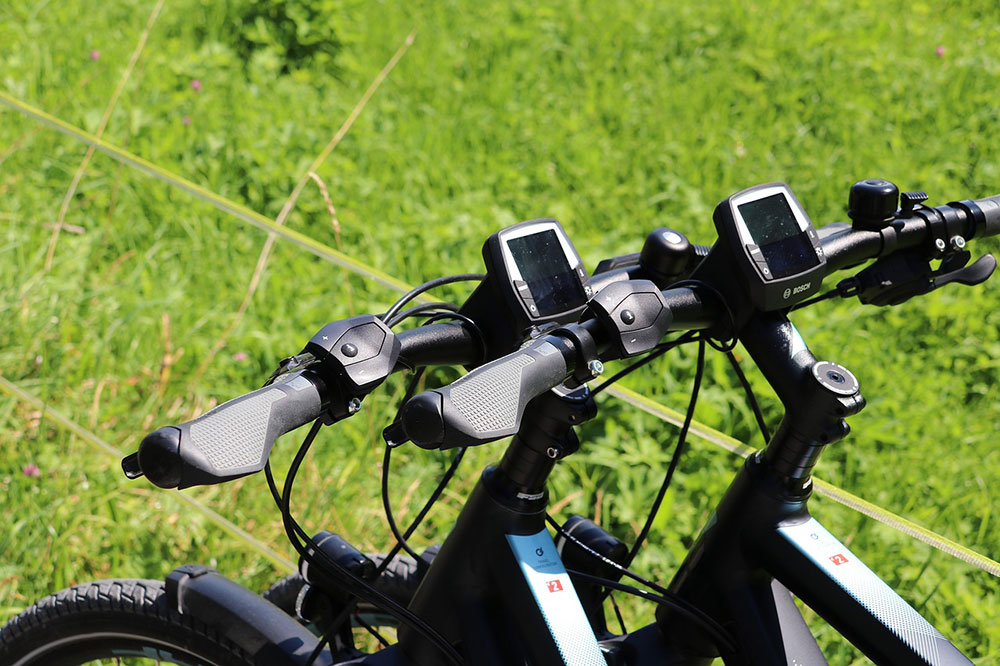
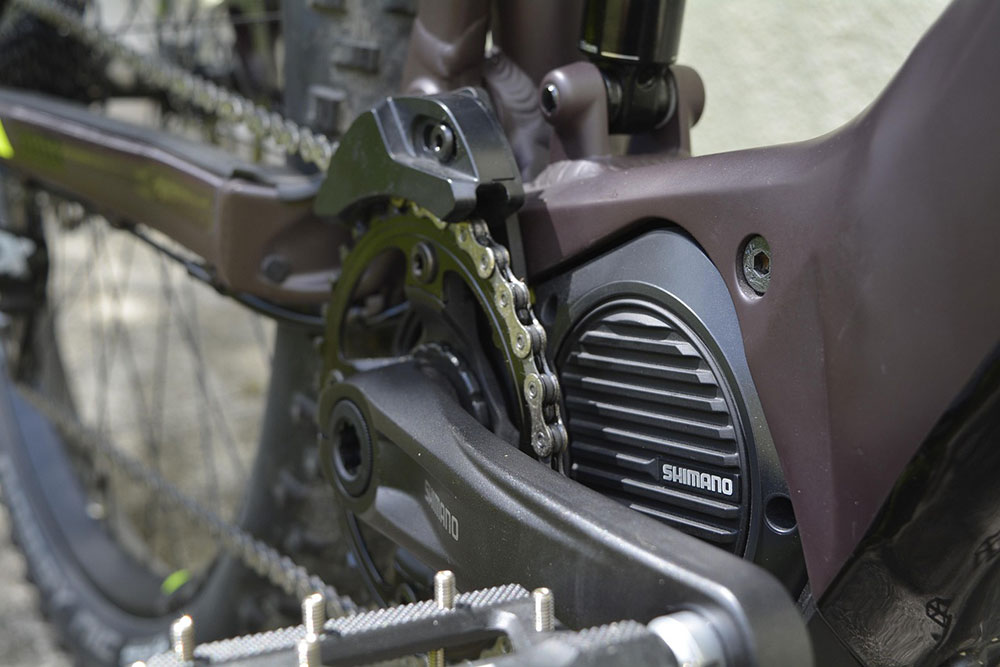
This is where sensor quality becomes important. A cadence sensor can detect when the rider is pedalling, while a torque sensor can read how much effort the rider is putting into each pedal stroke. When these systems work together, the bike can provide a smoother and more natural level of assist.
For trail riding, that matters. On narrow paths, gravel climbs or slow technical sections, riders often need steady support rather than abrupt bursts of power. A responsive pedal-assist system can make the bike feel easier to control over longer and rougher routes.
Suspension Can Save Energy
Suspension is often discussed as a comfort feature, but on outdoor trails it can also help reduce fatigue. Repeated bumps, roots, stones and washboard surfaces can wear a rider down over time. A full suspension system helps absorb some of that impact, making longer rides feel less punishing.
For hunting e-bikes and outdoor trail bikes, suspension should not be treated as a luxury feature. It is part of keeping the rider stable and comfortable, especially when the route includes rougher ground. This becomes even more useful if the bike is carrying extra load or if the rider is spending several hours outdoors.
A well-set-up suspension system can help keep the tyres in better contact with the ground, which also supports handling and braking confidence.
Brakes Are Not the Place to Compromise
Outdoor riding is not only about going farther. It is also about stopping safely. When a bike is heavier, fitted with fat tyres, powered by a strong motor and possibly carrying equipment, braking performance becomes a key consideration.
Hydraulic disc brakes are a strong choice for this type of riding because they generally offer more consistent stopping control than basic mechanical systems. On descents, loose surfaces or wet tracks, good braking helps riders manage speed with more confidence.
When choosing a hunting e-bike, look beyond the headline motor number and check the braking system carefully. Power gets attention, but braking is what helps keep the ride controlled.
Think About Load and Practical Gear Carrying
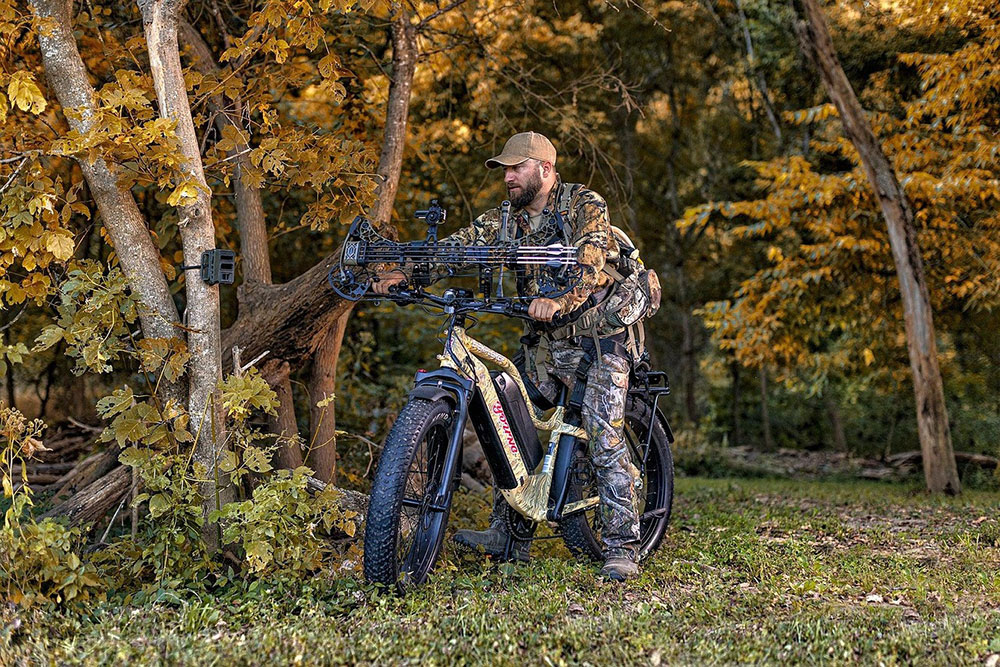
Many outdoor riders carry more than a phone and a water bottle. Depending on the route, they may bring layers, tools, food, camera gear, field equipment or camping essentials. A bike intended for outdoor use should feel stable with practical accessories and moderate load.
Check the maximum load rating, rack options and accessory compatibility. A strong frame, useful mounting points and a stable riding position can make a real difference when the bike is used as part of a day outdoors rather than a simple short-distance ride.
This is also where a hunting e-bike differs from many standard commuter models. It needs to work as a practical outdoor platform, not just a way to move from one street to another.
How These Features Come Together: Puckipuppy GoldenR Pro
As an example of what to look for, the GoldenR Pro fits the role of an electric hunting bike designed for riders who need range, traction and control on mixed outdoor routes. It uses a dual-motor setup, with the brand listing 1100W motor power and 1600W peak output, along with a maximum range of up to 80 miles. The bike also features full suspension, 26" x 4.0" fat tyres, hydraulic disc brakes and a torque plus cadence sensor system.
What makes the GoldenR Pro relevant here is not just one specification. It is the combination of features: fat tyres for varied surfaces, full suspension for comfort, dual motor support for tougher terrain and a longer-range battery setup for extended rides. For riders comparing a dual motor electric bike for outdoor trail access, it is a useful example of how motor support, range and trail-focused stability can work together in one package.
Comfort Is Part of Performance
Outdoor riders sometimes underestimate comfort. Yet on a longer route, comfort directly affects performance. If the saddle is uncomfortable, the riding position feels awkward or the bike transfers too much impact to the rider, the day becomes harder than it needs to be.
A good hunting e-bike should let riders stay relaxed enough to focus on the route. Comfortable contact points, stable geometry, a clear display and easy-to-use controls all matter. Small details often make the biggest difference after several hours outside.
Check Rules Before You Ride
Trail access rules can vary depending on the land, region and route type. Some areas allow e-bikes, while others restrict motor-assisted vehicles or limit access to certain trail categories. Riders should always check local regulations, land manager guidance and seasonal restrictions before heading out.
This is especially important for hunting-season use, conservation areas and private land access. A good bike is only useful if it is used responsibly and legally on appropriate routes.
For riders comparing outdoor-focused e-bikes, Puckipuppy electric bikes also show how comfort, range and trail-ready stability can be combined for more practical riding beyond paved roads.
Final Thoughts
Choosing a hunting e-bike for outdoor trails is about matching the bike to real-world conditions. Range, tyres, suspension, braking, load capacity and assist control all matter. The right model should help riders cover more ground while staying comfortable, steady and in control.
Rather than chasing the biggest number on a spec sheet, look for a balanced setup that supports the way you actually ride. For mixed outdoor routes, forest tracks, gravel roads and longer days outside, a capable hunting e-bike can become a practical part of your outdoor gear system.