
Where Cards Fall Short
International credit and debit cards work in large hotels, department stores, chain restaurants, and major tourist attractions. Outside those settings, the picture changes. Smaller restaurants, independent shops, izakayas, ramen counters, temples charging entry fees, and street food vendors often deal only in cash. Some taxis accept cards, but many do not, and the ones that do may have machines that reject foreign-issued cards.
Rural areas are even more cash-dependent. If your trip goes beyond the main cities, perhaps to hot spring towns, mountain trails, or coastal villages, card acceptance drops off sharply. Before you leave home, it is worth sorting out a Holafly eSIM plan for Japan so you can look up nearby ATMs, check opening hours, and translate signage when you find yourself in a cash-only situation without enough yen in your pocket.

How to Get Cash
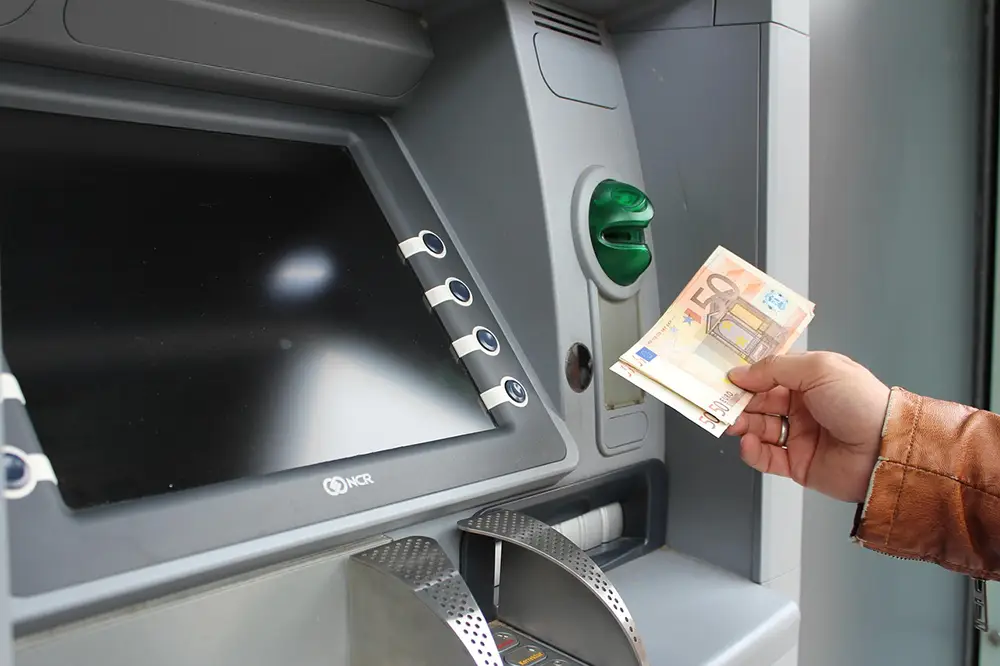
Convenience store ATMs are the most reliable option for foreign cards. The machines in these stores accept Visa, Mastercard, and most international networks, and the interface includes English. These stores are everywhere, open around the clock in cities, and easy to find even in smaller towns.
Post office ATMs also accept foreign cards and are a good fallback option in areas with fewer convenience stores. Bank ATMs, on the other hand, frequently reject foreign cards, so do not assume that any ATM will work. Test a withdrawal early in the trip so you know your card and PIN function properly before you actually need the cash.
How Much to Carry
A daily cash budget of around 5,000 to 10,000 yen covers meals, transport top-ups, small purchases, and entry fees for most travellers. If your day includes a sit-down dinner, a taxi, or shopping at local markets, lean toward the higher end.
Withdraw in larger amounts less often rather than making frequent small withdrawals, since each transaction may carry a fee from your home bank or the ATM operator. Keep your notes organised. Japan uses 1,000, 5,000, and 10,000 yen notes, and coins in six denominations. You will accumulate coins quickly, so a small coin purse or zip pouch helps.
IC Cards and Where They Work
Rechargeable integrated circuit (IC) cards are a middle ground between cash and card payments. You load money onto the card at a station machine and tap it to pay for trains, buses, vending machines, convenience stores, and some restaurants. They do not require a Japanese bank account, and foreign visitors can buy them at major airports and railway stations.
IC cards are useful for transit and small purchases, but they are not a replacement for cash. Many places that refuse credit cards also refuse IC cards, so you still need notes and coins on hand for sit-down meals, markets, and anything outside the convenience store and transit ecosystem.
Tipping and Payment Etiquette
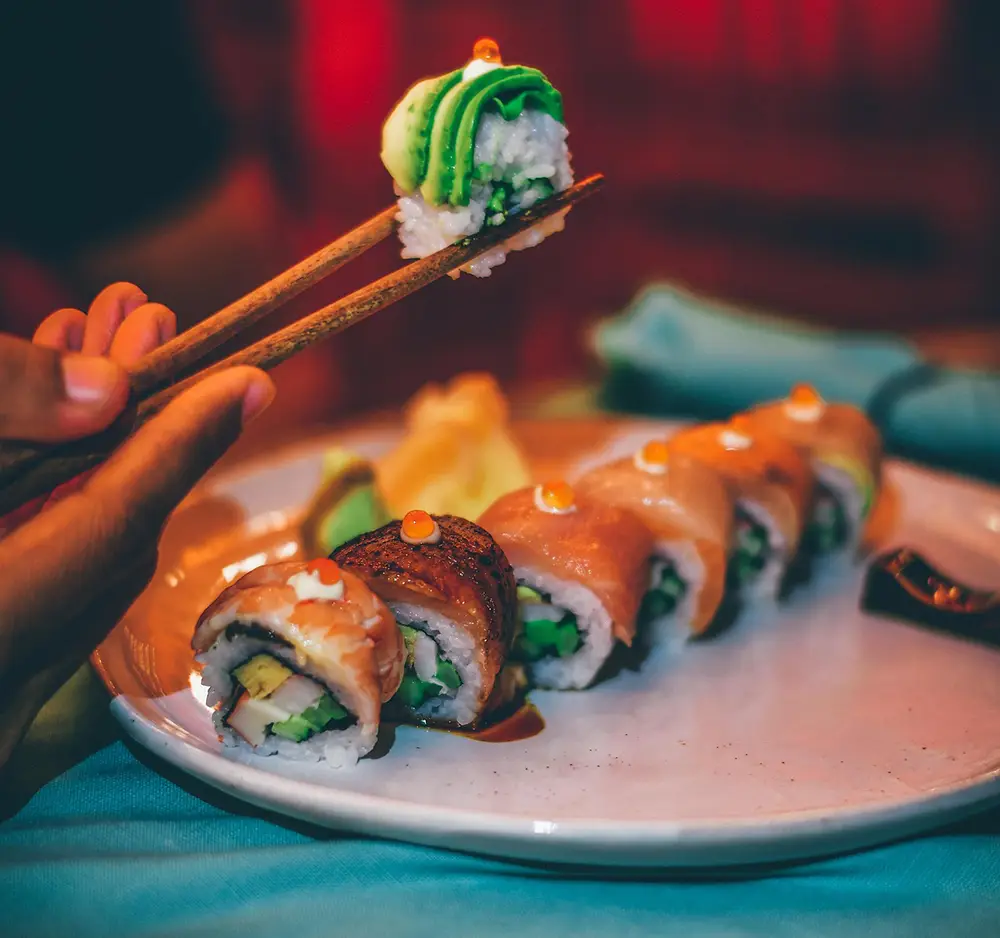
Japan does not have a tipping culture. Leaving money on the table after a meal can cause confusion, and in some cases staff will follow you out to return it. The price you see is the price you pay, though some restaurants add a small table charge that appears on the bill.
When paying with cash, use the small tray on the counter rather than handing notes directly to the cashier. This is standard practice across most shops and restaurants. Count your change before leaving, since Japanese cashiers are precise and errors are rare, but confirming the amount is a normal part of the exchange.
Staying Prepared
Carry cash every day, even if you plan to use cards or IC cards for most purchases. The places where you need it most, such as a noodle shop, a temple entrance, and a bus, are often the ones where no alternative exists. Withdraw early, keep a reserve in your bag, and treat cash as your primary payment method rather than a backup.