
It was interesting, therefore when early this year a pair of insoles arrived unexpectedly through the post with a request to review them, and they offered something different. In the accompanying literature Norwool's Norwegian wool inserts talked of thermal insulation and resilience along with natural fibres and ancient techniques combined with modern technology.
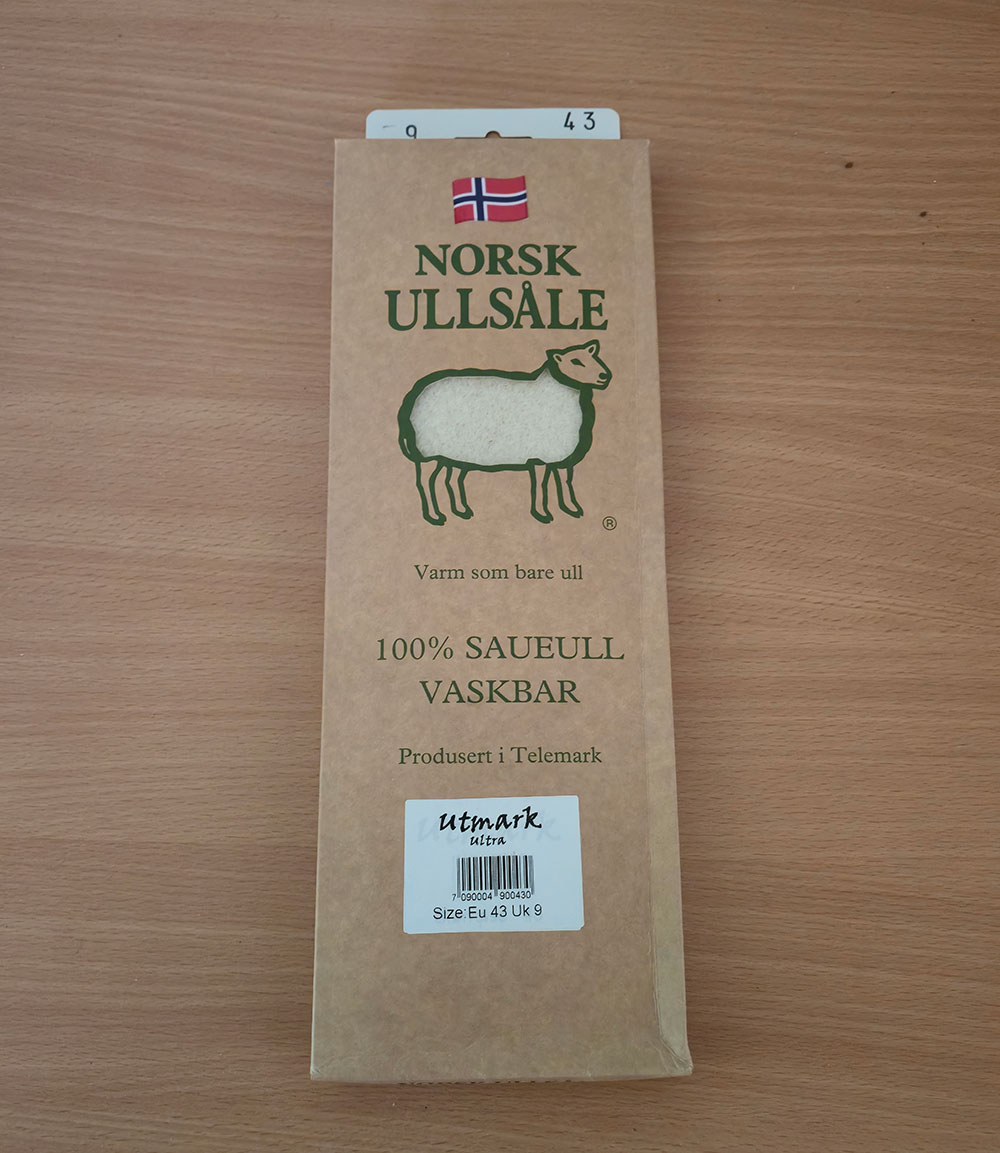
What Norwool Say:
Wool is nature's miracle fibre. It's elastic, durable, dirt-repellent and provides excellent thermal insulation. Made from high quality purified wool, this sole offers remarkable resilience. Using ancient an technique with modern technology, the firbres and bonded together to create a compact sole that still maintains the natural resilience of the fibres. This feature is essential for optimal thermal insulation.
A layer of jute is placed on a rubber base on the underside of the sole, ensuring sturdiness and stability. The sole is washable, and we reccomend hand washing at 40 degrees Celsius.
Norwegian Wool Insoles are available in the following models:
- Inmark/Regular - This and warm
- Utmark/Ultra - Warm as only wool
- Villmark/Wilderness - Super Warm Insole for Harsh Conditions.
Additional information with the Regular - It has no seams and can be cut to size if necessary. For heavier boots and wellingtons, you must use the Utmark-Ultra insole. It's the best choice for maximising comfort and support in your footwear. Don't settle for less!
Norwool Insoles on test:
We tested both the Inmark/Regular and the Utmark/Ultra over a 3 month period with temperatures ranging from -7C to 21C, with the Regular in a selection of trainers and lightweight boots and the Ultra in a pair of Helly Hansen Spitzbergen boots. The decision to run such a prolonged test was based on the claims of the insoles' resilience and washability.
First things first, the information sheet for the two sets of insoles is identical when it comes to the construction; mentioning a layer of jute on a rubber base on the underside of the sole, but in reality there is definitely a marked difference in the construction with the Ultra having a jute (presumably) layer sandwiched between two layers of wool and the regular following the text with a jute/rubber base as described.
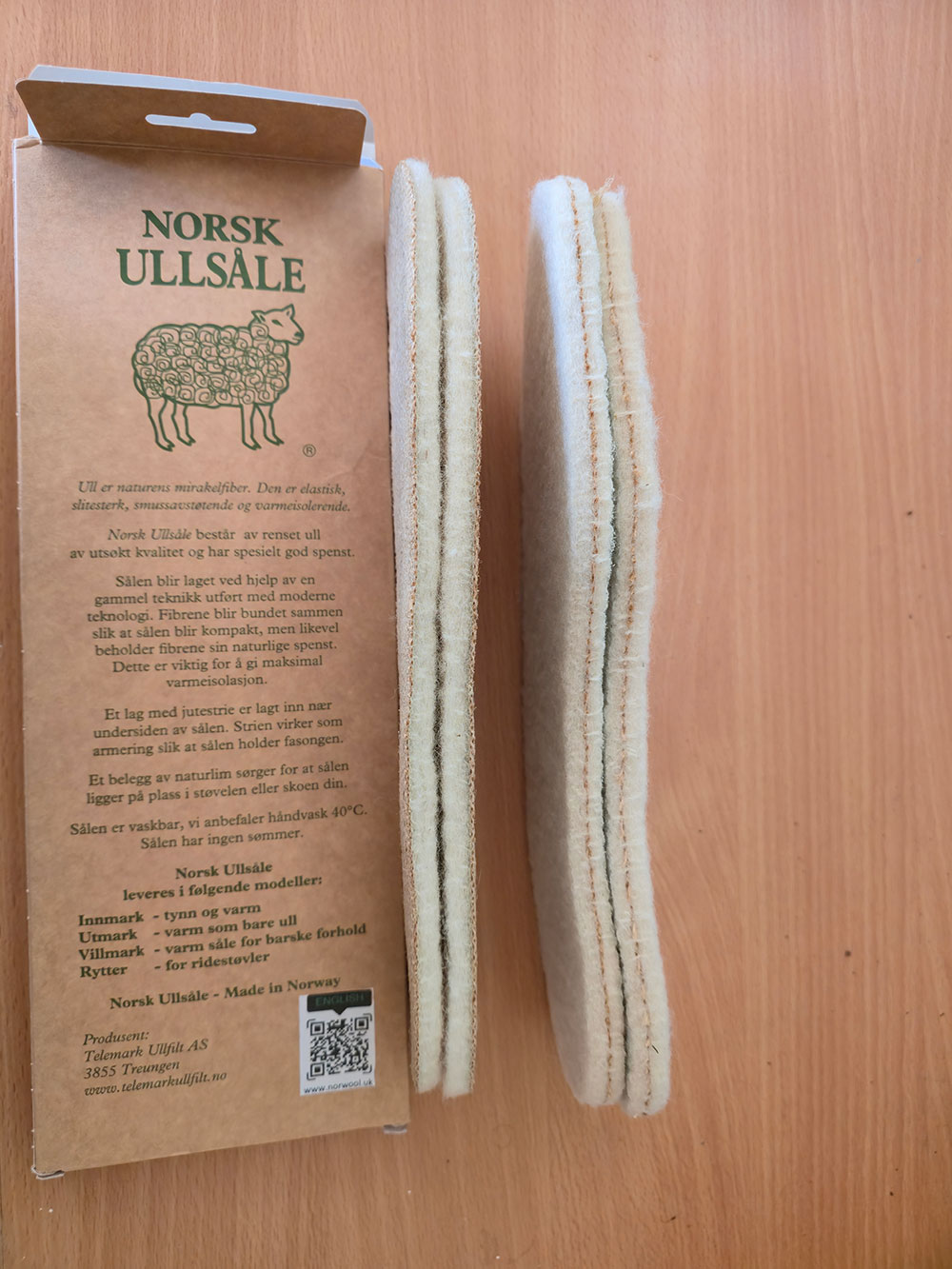 Regular, on the left, and Ultra, on the right, insoles side by side showing the construction.
Putting that aside, however, the first impression is one of softness. The classic soft, Norwegian wool, feel is immediately reassuring that these insoles are going to feel comfortable on the soles of your feet, even with this socks on. The feel is so different from the rigid, plastic, feel of many third party insoles. Obviously boots come in all sorts of shapes and fit, not just different sizes, but in this case the insoles didn't require any cutting to perfectly fit my boots, so I can't really say how easily they would be to trim to size. What I can say, however is that they seem to hit a perfect balance of flexibility and firmness when it comes to fitting.
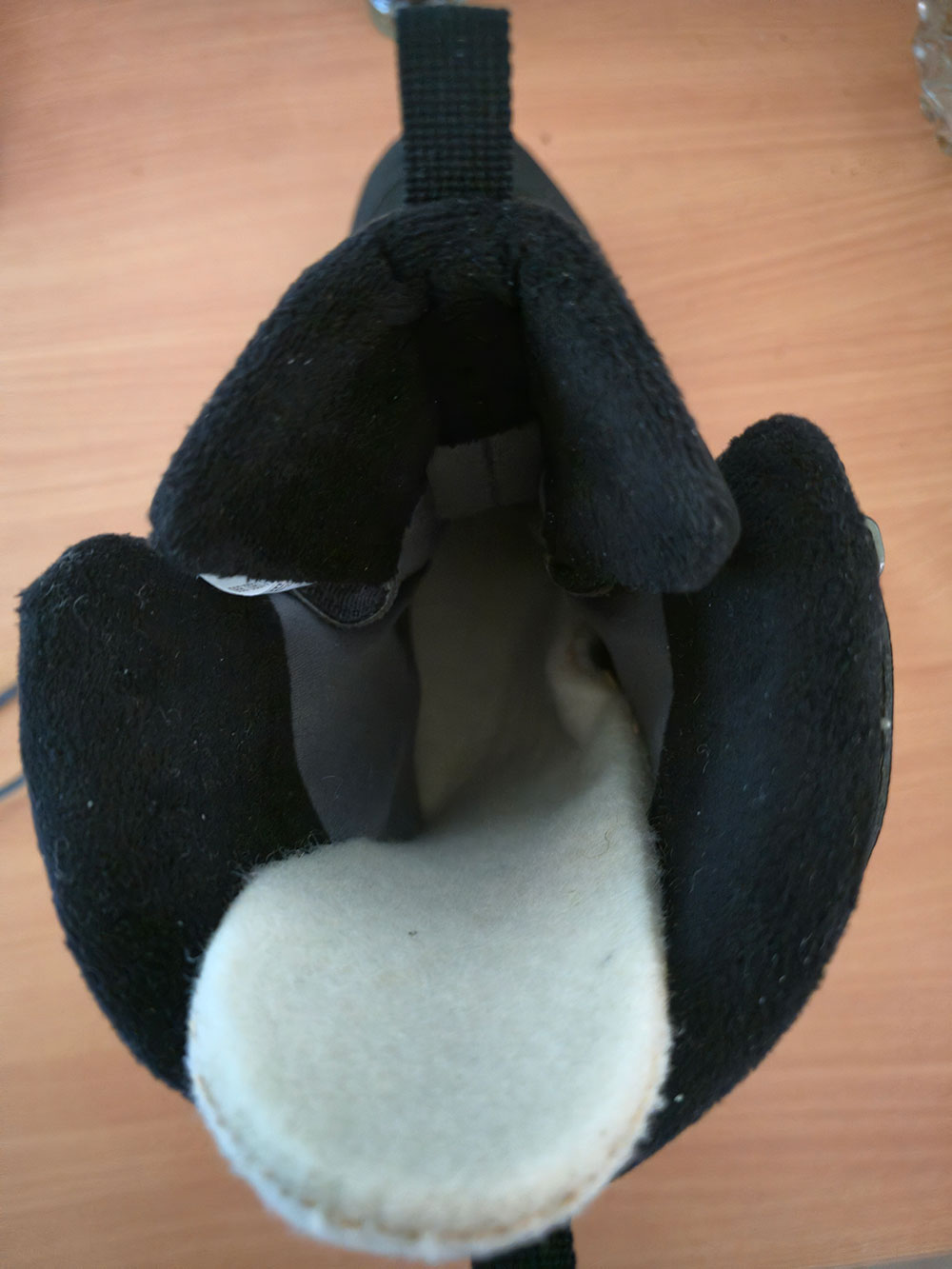
The flexibility is a mixed bag when it comes to fitting the insoles, with a tendency to form creases initially but if you remove the laces completely from your boots to open them up the insoles can be flattened and pushed to the edges to make a close fitting platform for your feet without and noticeable edges which could create rub points. Once in place they stay put; this is particularly noticeable in the Regular model with its non-slip jute/rubber base.
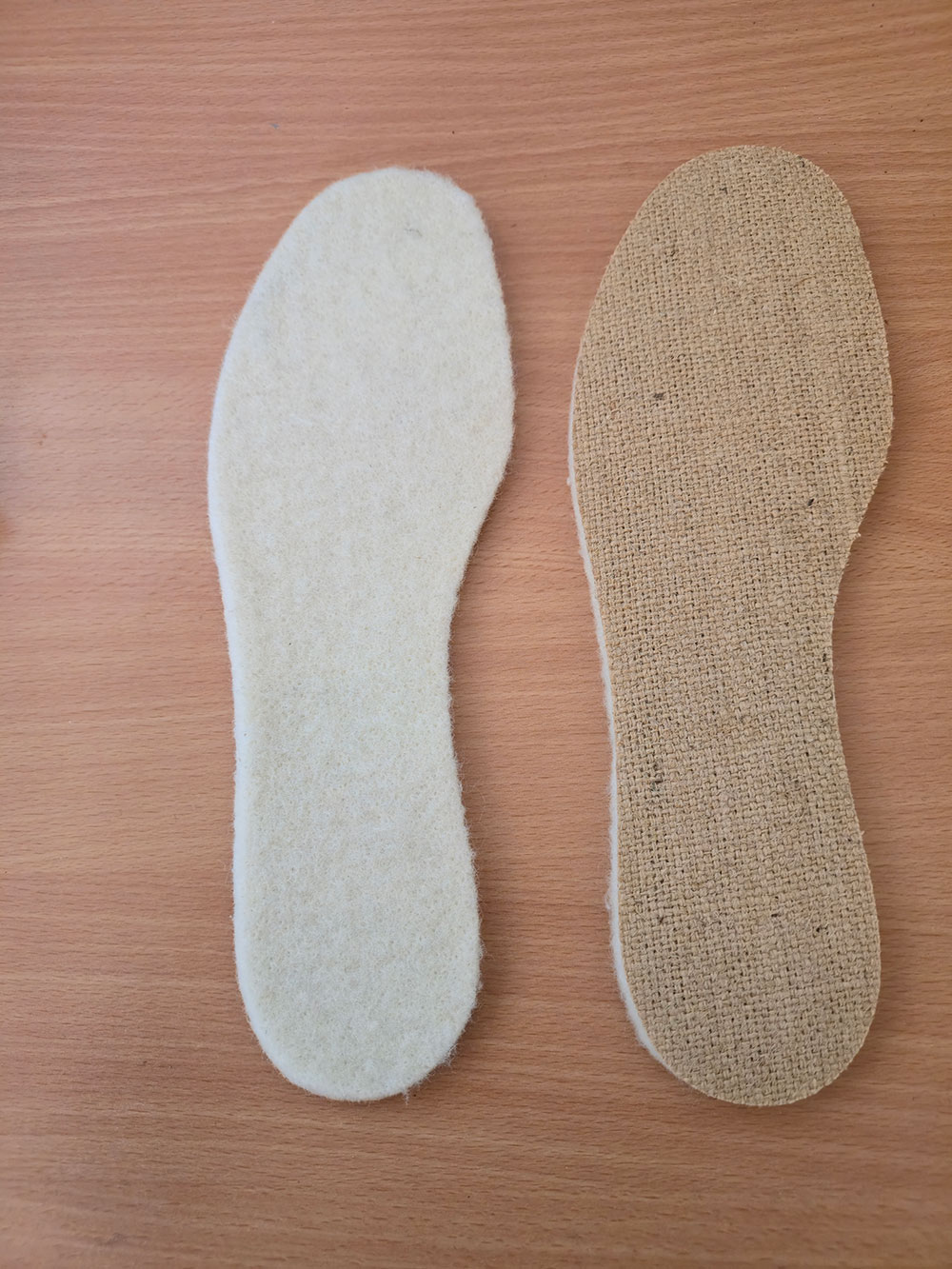 Inmark/Regular top and bottom, highlighting the jute layer on the base
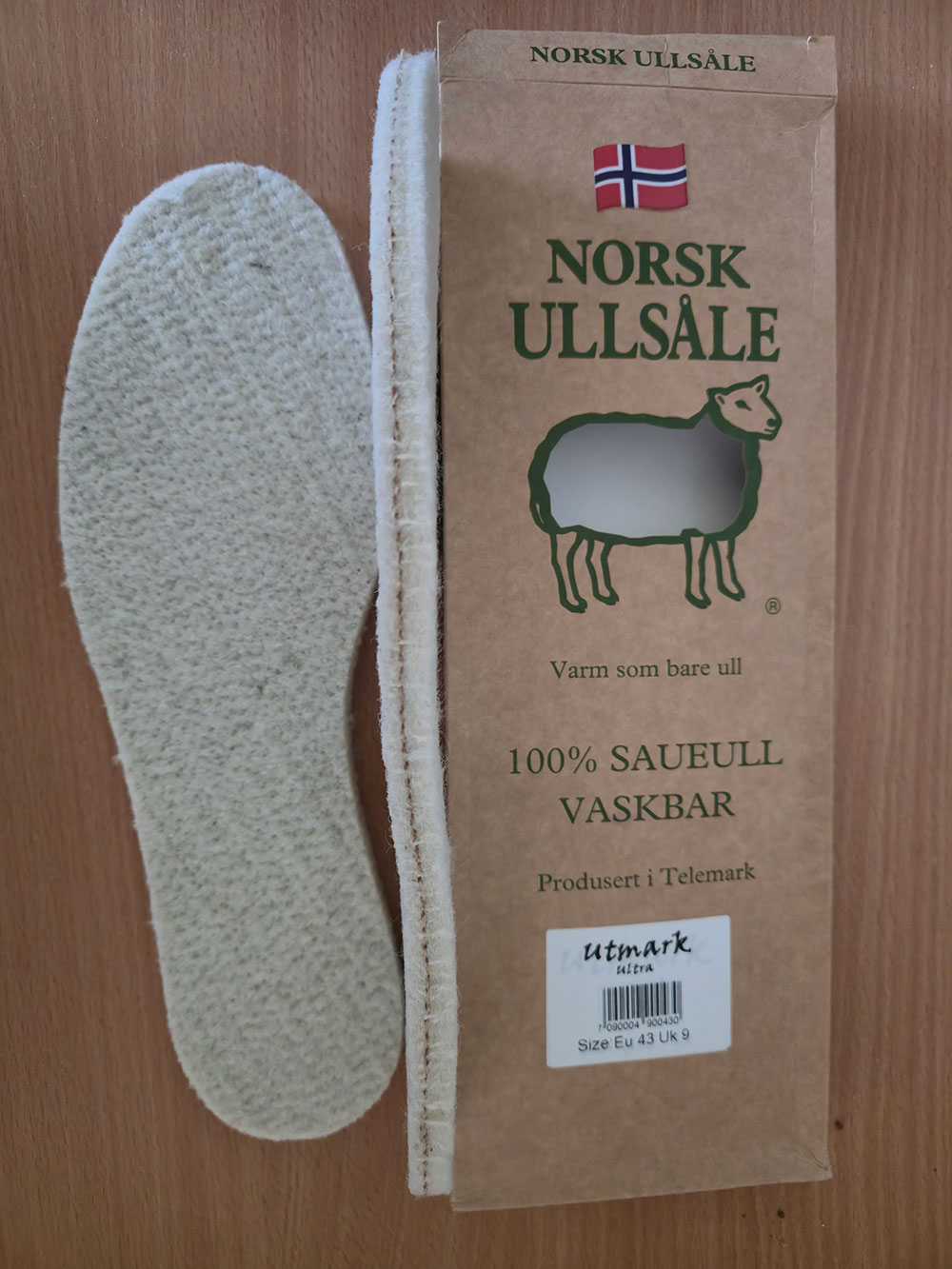 Utmark/Ultra with its sandwiched jute layer
Once in place there was a noticeable change in feeing from the default, maufacturer's, insole but it didn't take long to adjust to the way the wool compressed more than the more rigid insoles. With the Ultra insoles there was a little bit of a height difference due to the thickness of the wool insole but not enough to impact on the fit of the boots, and after the first use it was no longer noticeable. The surprising element was the level of support from the Norwool insoles, with it matching the more rigid manufacturer's insole. Of course, it felt softer, but this was to be expected.
With the Innmark/Regular insoles once the comfort and support was established there was little else to assess initially. They were comfortable and did the job, but beyond that they didn't seem to add anything in terms of function. The Utmark/Ultra, however, were brought out when the temperature droped below zero to see how well they provided the promised thermal insulation; and this is where Norwool really hit the mark! Put simply the wool insoles worked like wearing an extra pair of socks inside the boots, but without the potential rub-point issues of multiple socks. The wool was simultaneously forgiving as the foot sank into the wool and supportive thanks to that layer of jute bonded in the middle providing some rigidity. Using a meat thermometer to slide down the side of the ankle and into the boot there was a measurable, 3 degree Celsius difference after half an hour of use between using the original insoles and the Norwool insoles.
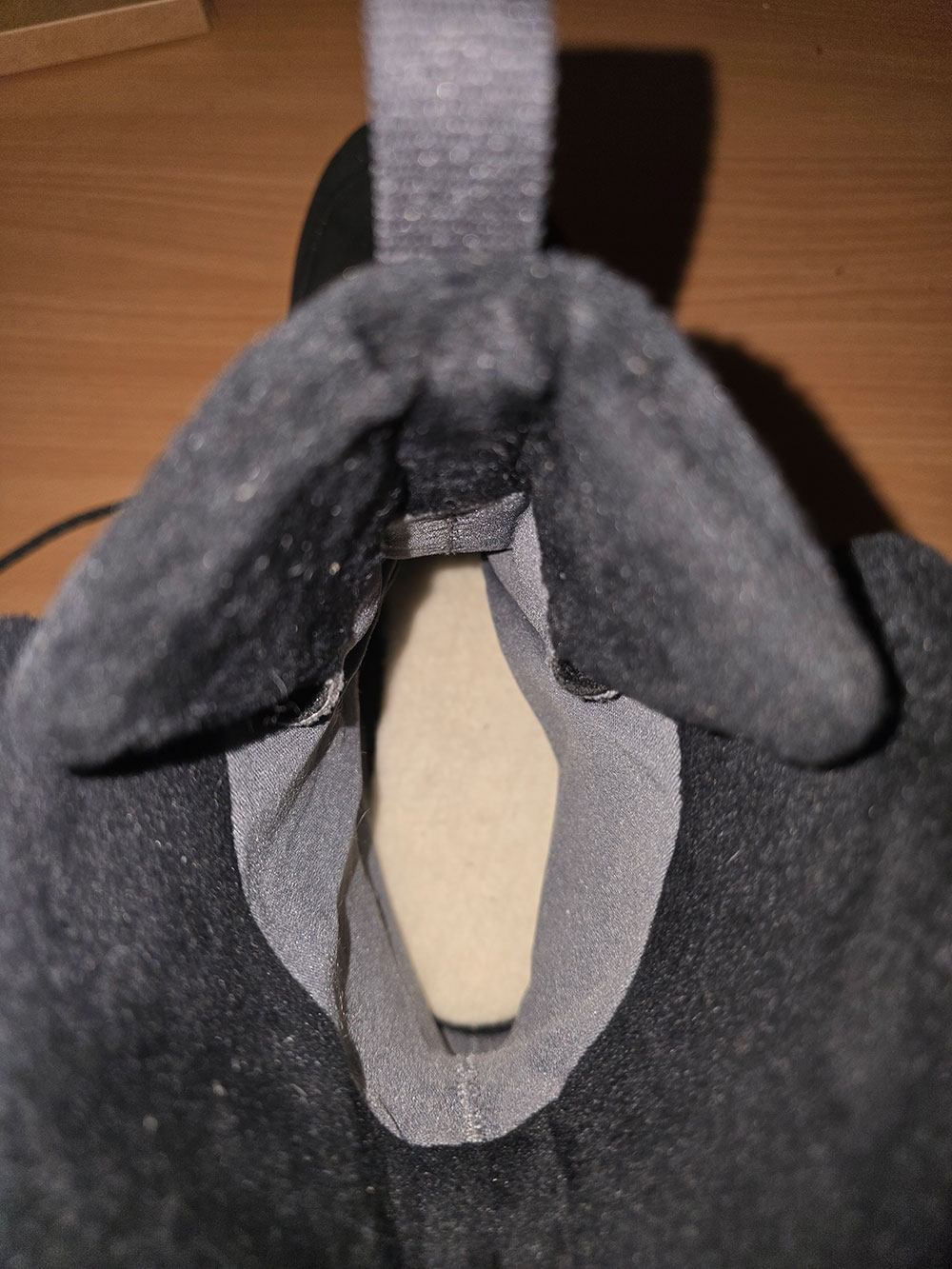
With the thermal insulation case proved the final test was the durable, dirt-repellent, resilience to check out. To be honest, it's hard to tell whether the insoles are really that dirt-repellent when in the Spitzbergen boots as the boots are designed not to let dirt in anyway, and with a fresh pair of socks each day there was little in the way of transference. What was noticeable, though, and surprisingly not mentioned in the PR material is the way these insoles seem to be odour resistance - at least for a couple of months of regular use.
With hand washing, following the manufacturer's instructions, the insoles both "bounced back" to their original form after drying; which was done by leaving them in the open air. The wool did take a while to dry, but the result was the insoles would be impossible to distinguish from new. The Innmark/Regular insoles had picked up a couple of marks along the way but these disappeared in the wash.
Conclusions:
Priced at £12.99 (£14.99 for the more extreme Villmark/Wilderness version) the Norwool insoles aren't going to break the bank and in thermal efficiency alone are going to be cost effective compared to an extra pair of socks. As a direct replacement for manufacturer's insoles they're surprisingly supportive while bringing a "softness" underfoot that's very welcome. If, and it's by no means guaranteed, you can have the Norwool insole sitting on top of the default insole rather than replacing it, without cramping the space, these are just a no-brainer. The comfort of wool is still something that's proved impossible to match and given that you're on your feet all day it's a real bonus to have something that's both soft and supportive simultaneously. Only time will tell on the resilience, but with the ability to wash the Norwool insoles as and when needed the prospects are looking good after the first 3 months.