
Planning one of these trails from overseas throws up a slightly different set of questions than planning a UK trip does for a local. Weather, terrain and distances all matter, but so does a handful of logistics that a UK-based hiker never has to think about. Here is what actually needs sorting before you land.
Pick The Right Trail For A First Trip
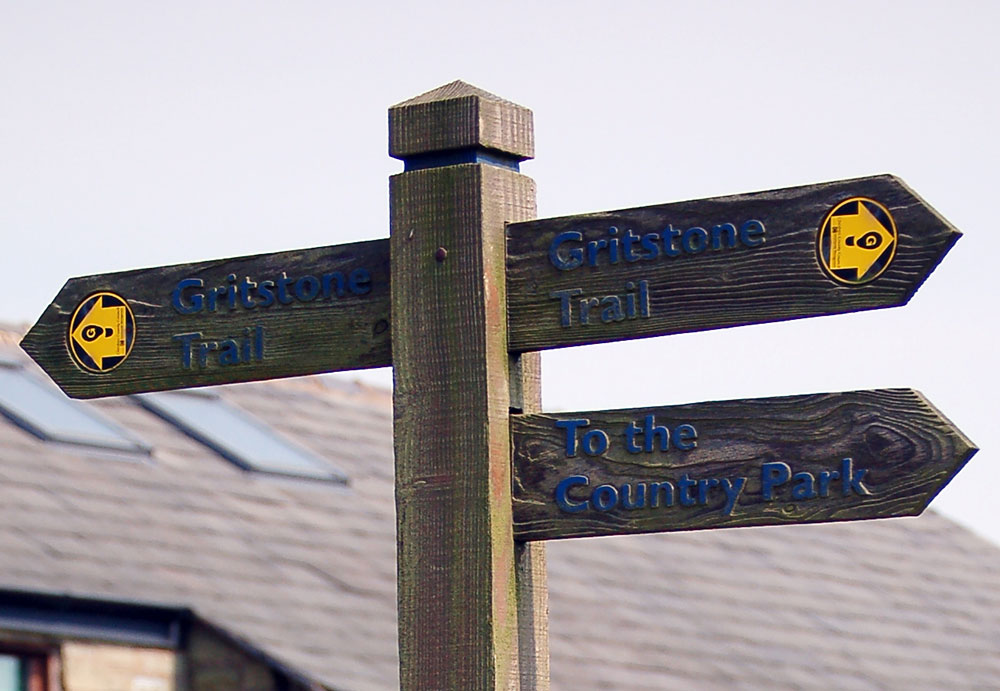
Not every UK long-distance route suits a first attempt, especially when travel time and jet lag are already eating into the trip. Shorter multi-day options in the 30 to 40 mile range give a genuine taste of trail walking without committing two full weeks to something like the full Coast to Coast. Our roundup of ten multiday walks for a long weekend is a good place to scope out something that matches the time available.
Understand British Weather Before You Commit
Weather in the UK changes fast, and a forecast checked the night before can be irrelevant by mid-morning. Layering matters more than any single piece of kit, and waterproofs are non-negotiable even in summer. Anyone used to more predictable climates should build in extra buffer days, since a genuinely bad weather window can mean a full day off trail.
Know Where You Can (And Cannot) Camp
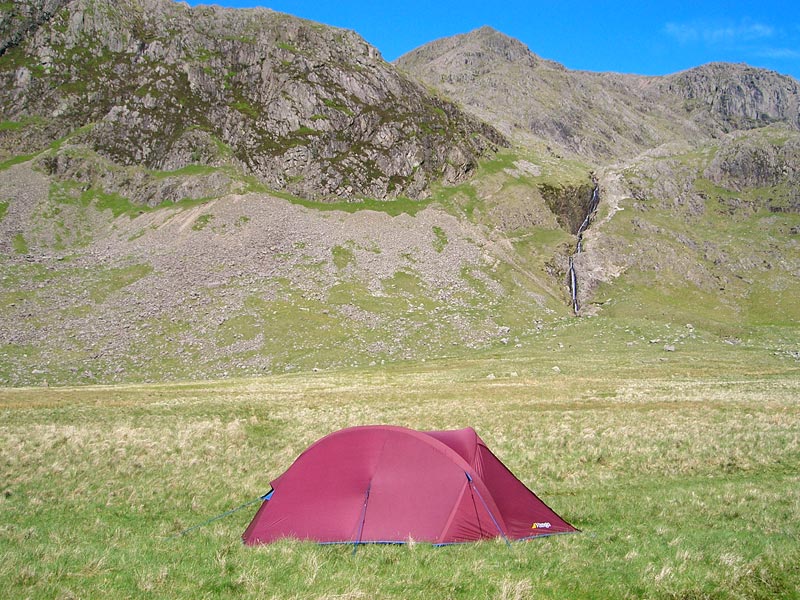
Wild camping rules differ sharply from country to country, and the UK's position is more nuanced than many visitors expect. England and Wales generally require landowner permission outside a handful of specific access areas, while Scotland's right to roam permits lightweight wild camping in most open country. Our guide to the wild camping law in the UK breaks down exactly where the rules apply and where they change.
Sort Connectivity Before You Land
Mobile signal drops out completely on long stretches of most UK trails, particularly through the Lake District fells or the Scottish Highlands, so downloading offline maps before departure matters as much anywhere else in the world. Where the UK differs from a lot of destinations is coverage in the towns and villages along the route, since most trails pass through places with reliable 4G or 5G every day or two.
Sorting a UK esim before departure means data is ready the moment you land at the airport, without hunting for a local SIM card or dealing with a home carrier's roaming rates for a two-week trip. It is a small thing to arrange, but one less piece of admin to think about once boots are on the ground.
Book Accommodation Earlier Than You Think

Popular UK trails book out well in advance during peak season, particularly small B&Bs and bunkhouses along routes like the Coast to Coast, which can only accommodate a handful of walkers per night. Booking three to six months ahead is standard practice for anyone tackling a well-known route between May and September.
Respect Local Access Etiquette
The UK's access rights are more generous than many countries, but they come with expectations. Sticking to marked paths through farmland, closing gates behind you, and giving livestock a wide berth all matter more here than a first-time visitor might assume, since much of the UK's most scenic walking crosses genuinely working land rather than public parkland.
The Short Version
Pick a trail that matches the time available, respect the weather more than the forecast suggests, understand where wild camping is and is not permitted, get connectivity sorted before you land, and book accommodation earlier than feels necessary. None of it is complicated, but each piece is easy to underestimate from thousands of miles away. Get them right, and the UK's long-distance trails live up to the reputation that brings hikers here in the first place.