
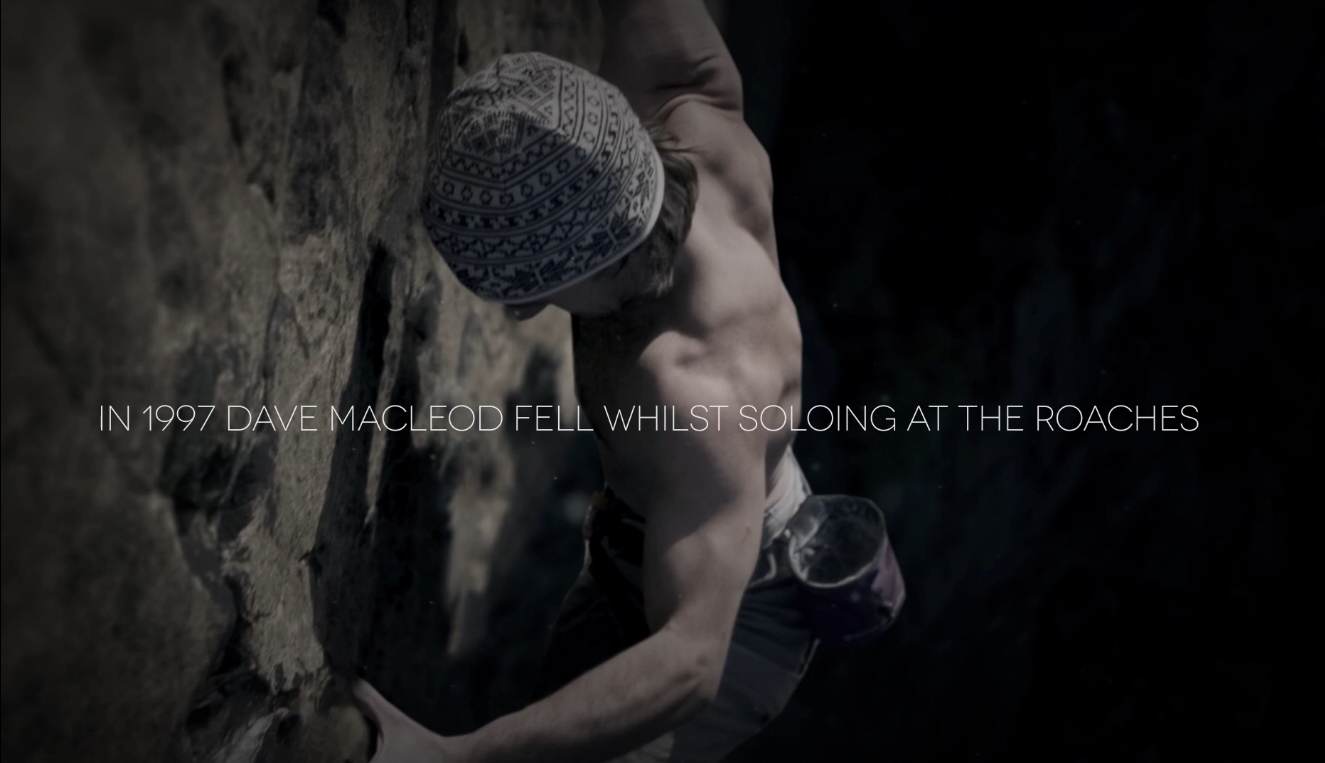
Project Fear is very much a film from the Paul Diffley school; from its strong timeline defining the start, middle and end of a storyline to the characteristic slow motion close zooms of the minutiae like picking up a rack. In Dave MacLeod the producers had one of the most natural performers in front of camera they could wish for, and it showed. Dave has a screen presence that exudes a "what you see is what you get" brand of believability and in so doing manages to draw the viewer in emotionally. While this isn't suprising in a Distilled or Redemption which have the time to develop a level of empathy with the climber it's quite unexpected in a short of just 11 and a half minutes.
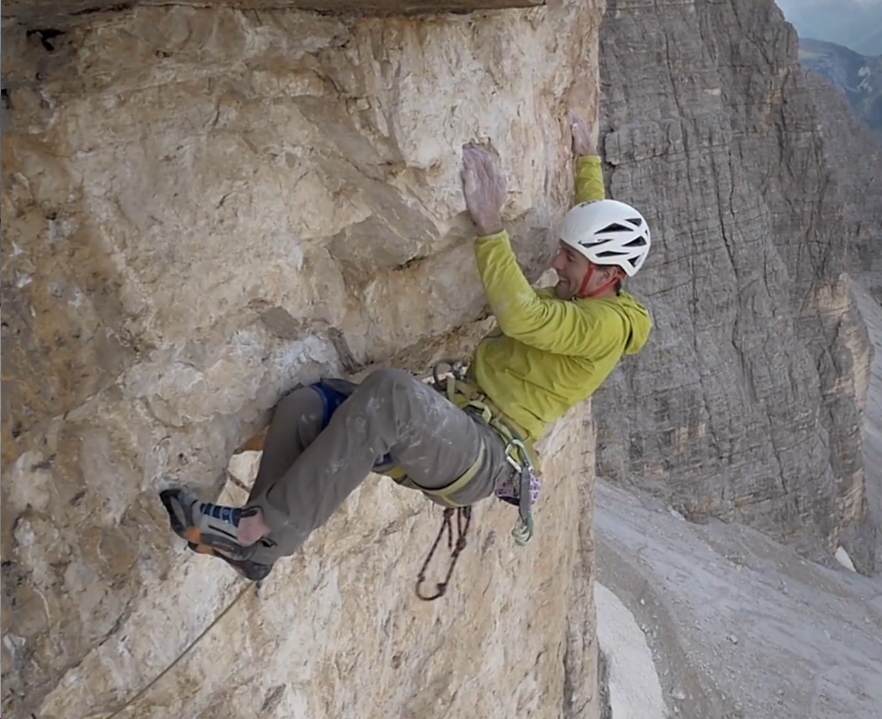
The cinematography in Project Fear is worth 11 and a half minutes of your time alone; you could take climbing out and drop the storyline and you'd be left with a stunning advert for the Dolomites. While an excellent stand alone film Project Fear is also a demonstration piece of film techniques. There's everything from the classic drone rising over a ridge to a "briefcase" style tracking of the route in. You get the obligatory cloud timelapse and the mandatory slow-mo, third of a frame filling, side-on, altmospheric background head and shoulders shot - and you even get it in black and white for good measure.
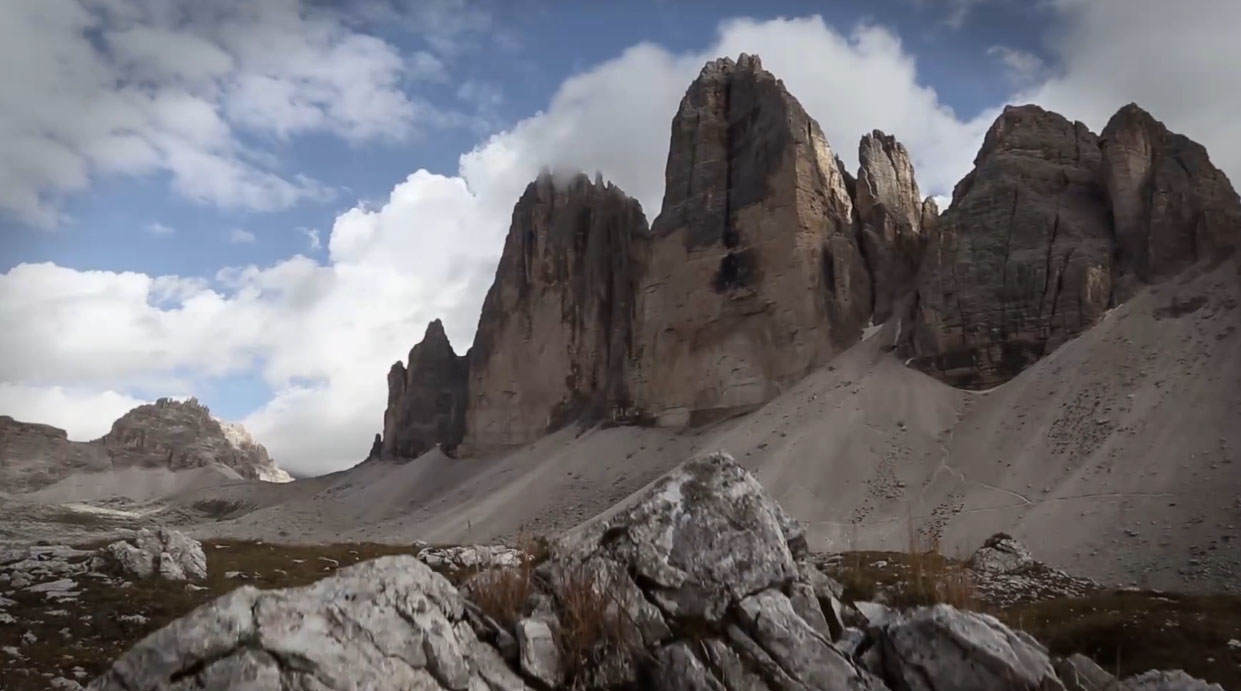
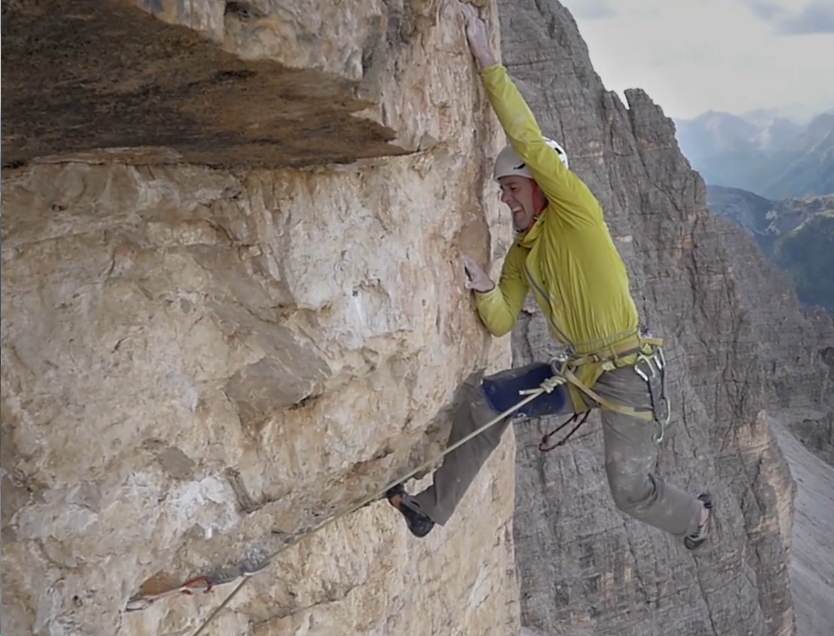
In such stunning surroundings and armed with the latest technology it's to the producers' credit that they've held tight to the story line; the temptation to overdo the off-wall drone shots and amazing panoramas must have been very strong. Climbers may feel there could have been more climbing action but there's a strong possibility that in focusing on the climbing it would dilute the story as a whole. The route is important but it's the internal battles in Dave's head that give the route meaning in the context of the film. Given the scope of 30, 40 or even 60 minutes Project Fear had the potential to be a Distilled or Redemption, at 11 minutes the procers have done well to give both a feeling of completeness and one it being a continuing story.
When the 11 and a half minutes are up there's a very good chance that you'll be left smiling at a blank screen for a further minute; it takes that long to accept you're not going to get any more without refreshing and playing it again. The story is main course, the quality is main course, but the duration is starter - but it's quality starter and it's no bad thing to be left wanting more.
All images © Matt Pycroft/Coldhouse Collective